What is a resilient building enclosure?
Buildings today face a rapidly changing climate, yet many were designed for conditions of the past. Extreme temperature swings, heavier precipitation, and evolving energy demands are exposing vulnerabilities in envelopes and building systems. At f-BLOK, resilient building performance is integrated at the outset, not treated as an afterthought.
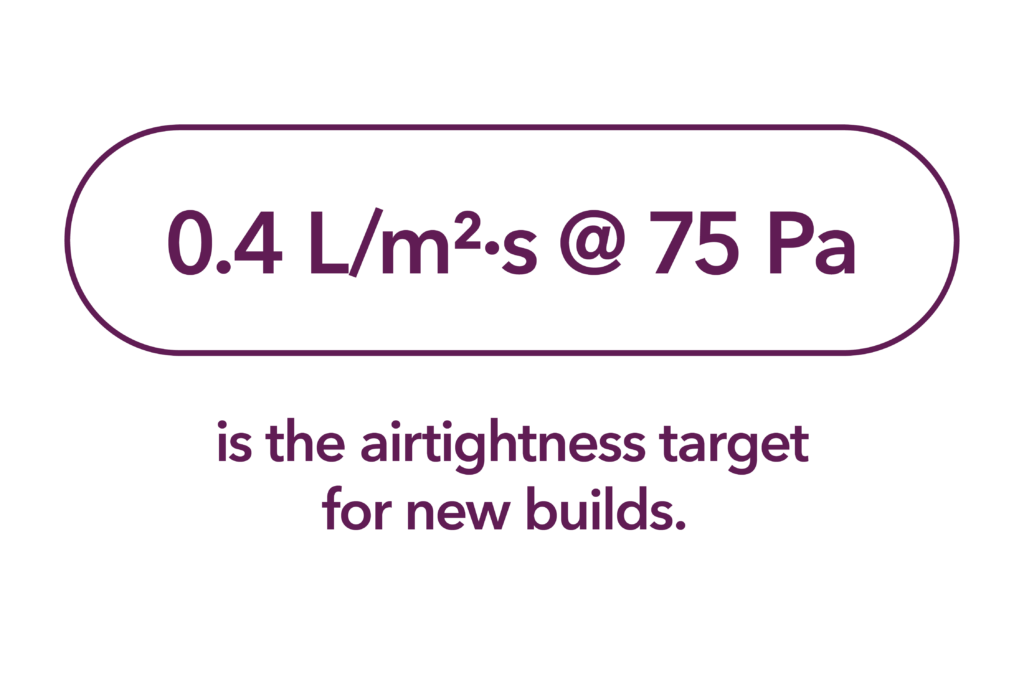
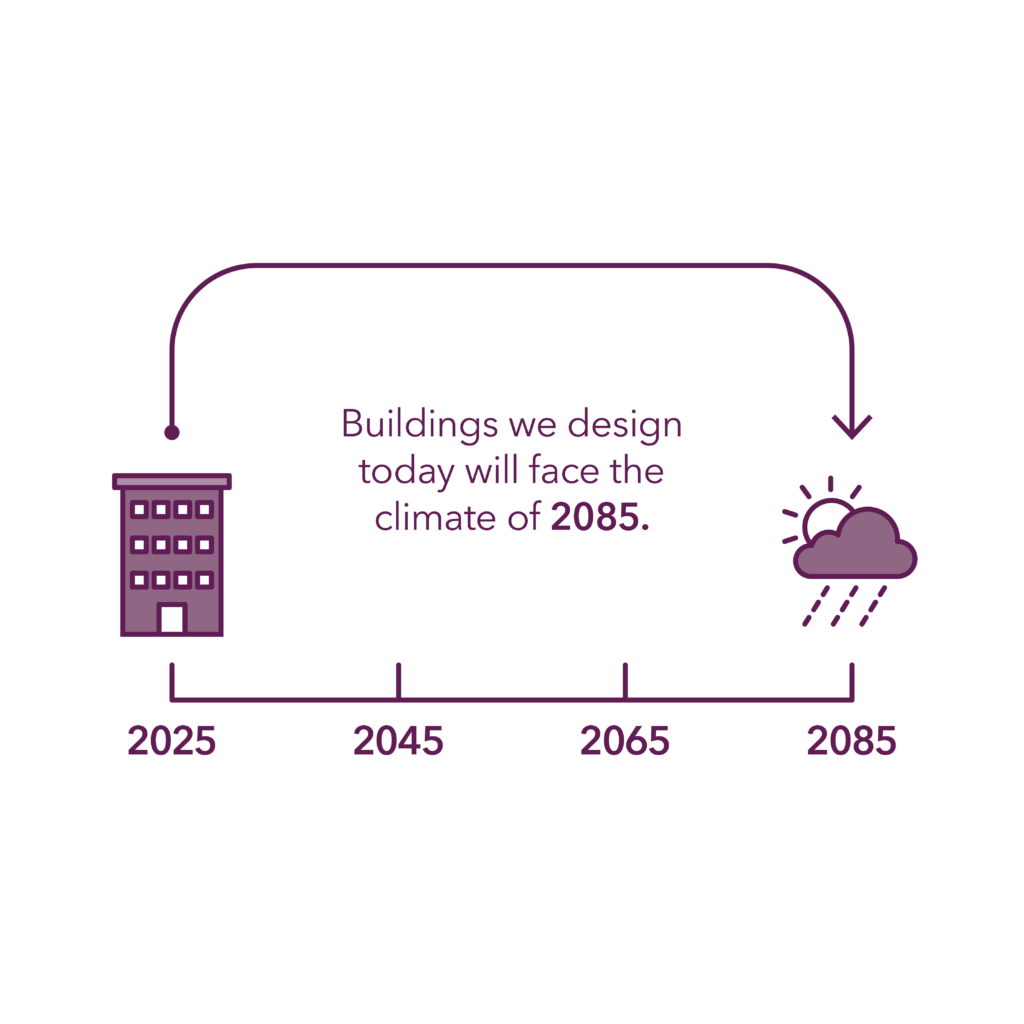
Buildings delivered today will operate under climate conditions that are materially different by 2080, including higher peak temperatures, wider freeze-thaw cycling, more intense rainfall events, and increased energy system stress. A resilient building enclosure must therefore be designed against forward-looking climate data, not historical norms. At f-BLOK, this translates into specific and thoughtful design decisions. We have incorporated envelope modelling into our workflows and set explicit targets for airtightness, thermal continuity, and moisture control to manage increased vapor drives and condensation risk. Wall, roof, and foundation assemblies are detailed to maintain dew point control, with robust drainage planes, ventilated cladding cavities, and redundant water-shedding strategies to address extreme precipitation.
A resilient building enclosure is more than a set of materials. It is a carefully designed system that protects occupants, maintains efficiency, and preserves building value under changing climate conditions. f-BLOK considers building performance to be a fundamental responsibility, not an optional feature. Resilient enclosures are critical to creating buildings that protect occupants, maintain efficiency, and preserve value over time. We approach every project with the mindset that durability, airtightness, and low-carbon performance should be integral to design from the outset. This philosophy guides our work, ensuring that buildings are not only responsive to today’s climate but prepared to meet the challenges of 2080 and beyond while supporting long-term sustainability and occupant comfort.
Why should we build these types of enclosures?
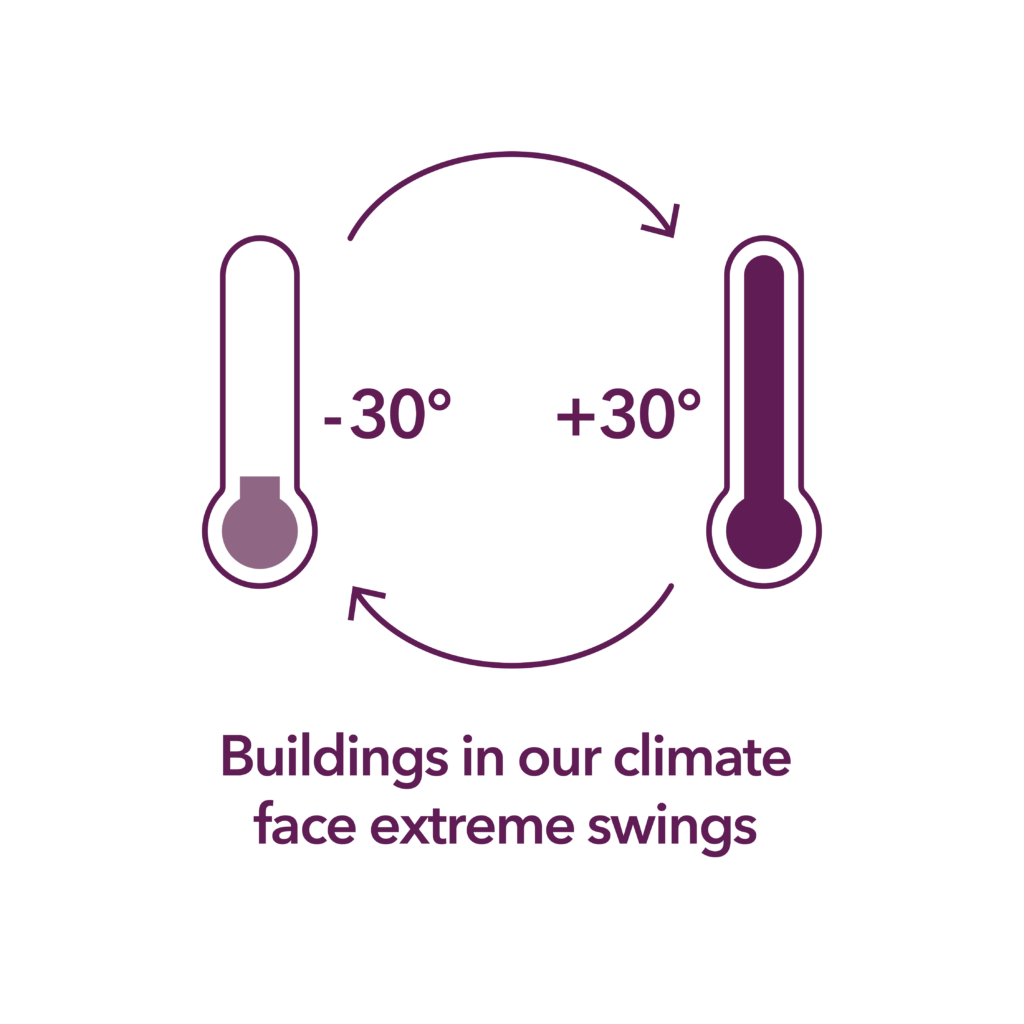
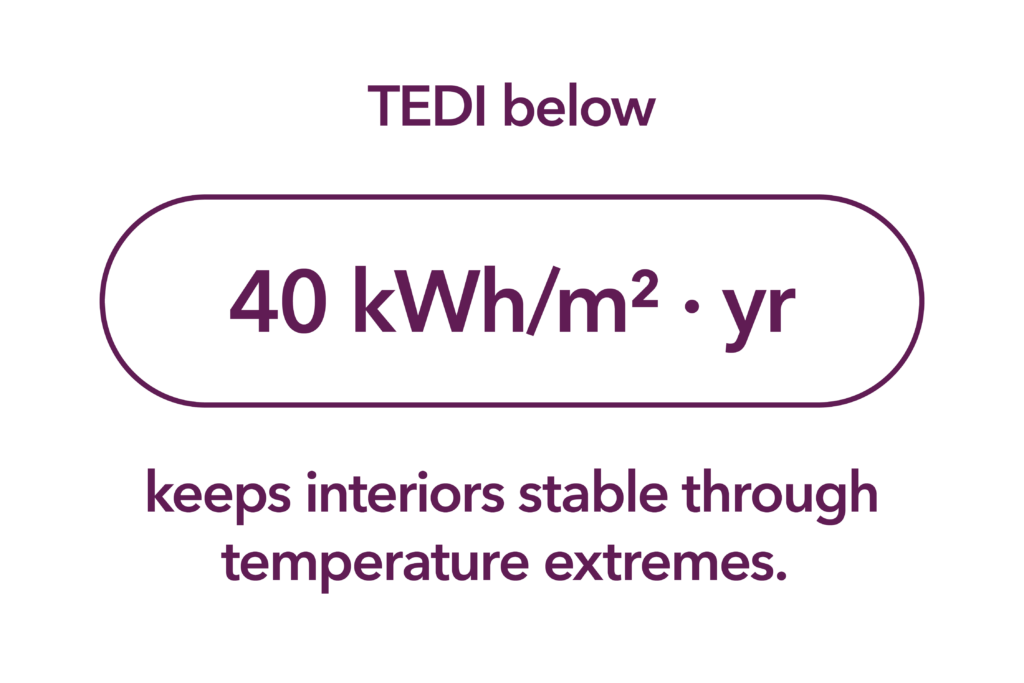
In many regions, buildings must perform under increasingly extreme temperature swings, from middle of winter cold to summer heat waves, including fire/smoke risk. Older buildings, often constructed before the introduction of modern energy codes, insulation standards, or air barrier systems, struggle to maintain stable indoor conditions and efficient energy use. As climate impacts intensify, these performance gaps widen, placing additional strain on heating and cooling systems and increasing energy consumption. At the same time, retrofit opportunities allow for improved efficiency, comfort, and extended lifespan of existing structures.
Environmental stressors such as freeze-thaw cycles, humidity, and wind-driven rain further challenge building durability. Poor detailing or inadequate thermal and moisture protection can lead to infiltration, condensation, and long-term material degradation. Electrification of heating without envelope improvements often results in oversized, inefficient systems that undermine low-carbon goals. Given that demolition contributes significantly to construction waste and embodied carbon, reusing and retrofitting existing structures is essential. f-BLOK’s Resilient Building Enclosure team addresses these challenges through high-thermal performance envelope design, moisture-conscious detailing, and envelope-first, low-carbon strategies that reduce loads, enhance durability, and support climate-aligned performance.
Material selection prioritizes durability under accelerated weathering, including UV exposure, thermal movement, and freeze–thaw cycling, while minimizing embodied carbon through low-carbon assemblies and verified environmental product declarations. We commit to eliminating thermal bridging at all primary interfaces and strive to utilize whole-building energy modelling and on-site testing such as blower door and infrared thermography. Enclosures are coordinated with mechanical systems to reduce peak loads and enable passive survivability, maintaining safe interior conditions during any potential power outages through high insulation levels, solar control, and operable ventilation strategies.
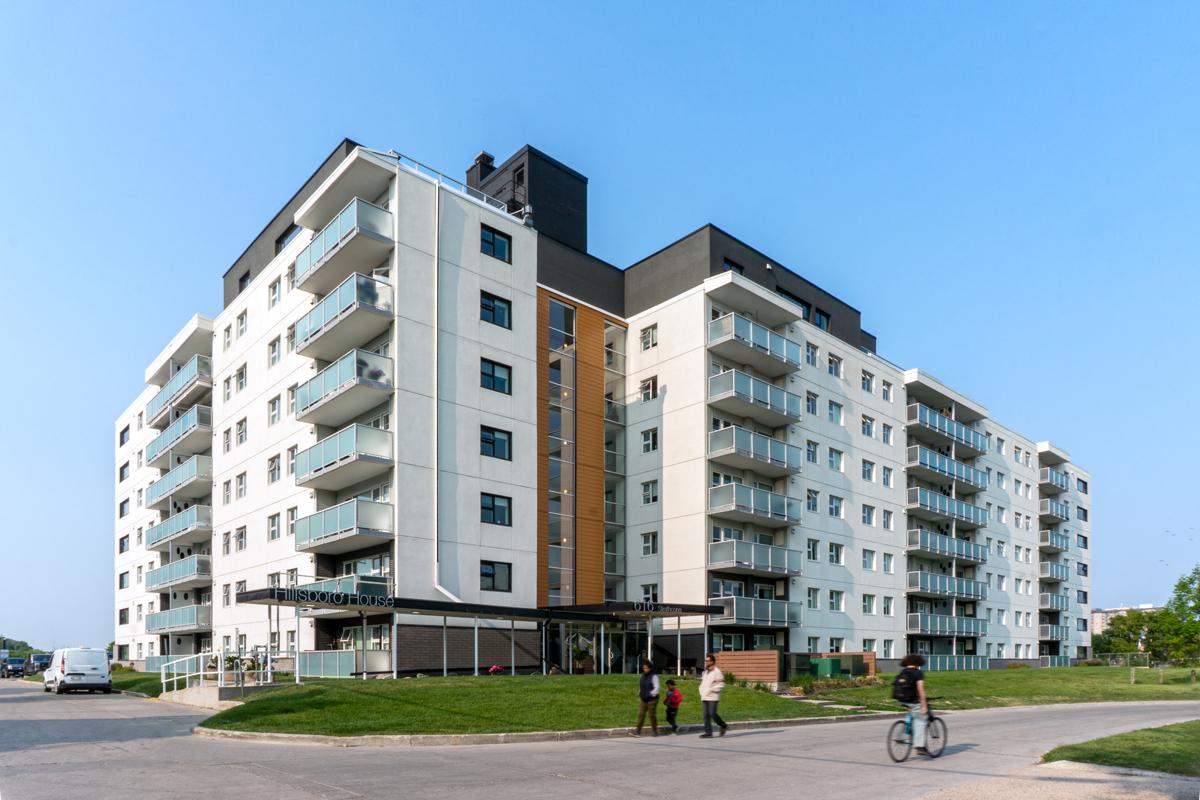
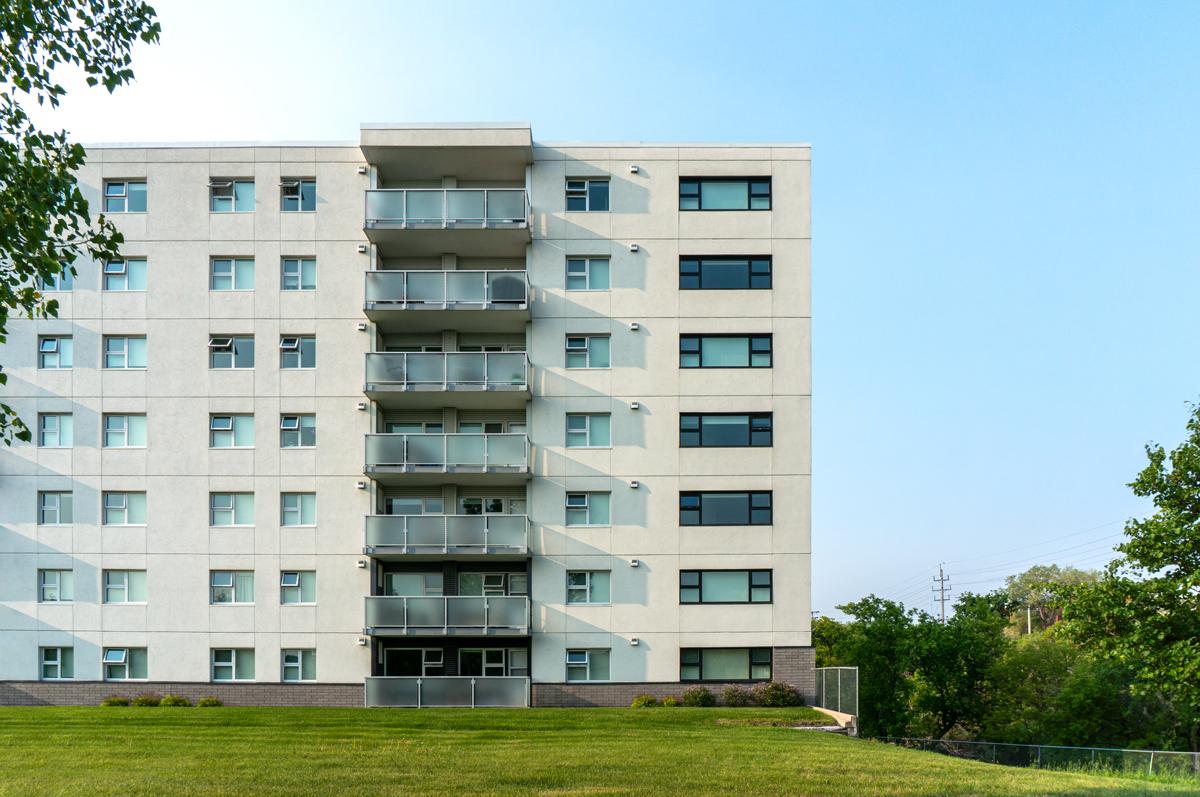
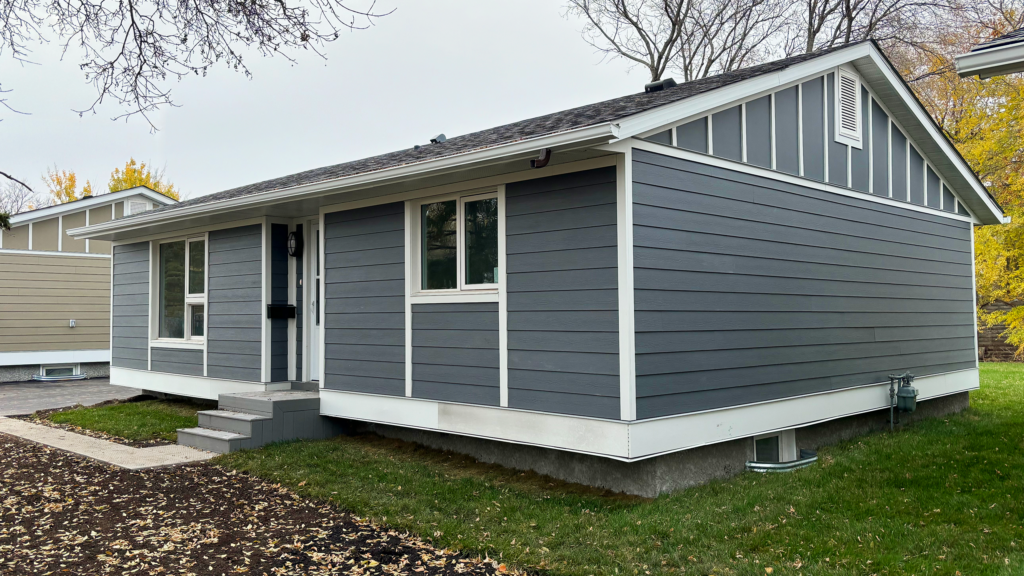
For existing buildings, resilience is addressed through targeted retrofit strategies that improve airtightness, add exterior insulation where feasible, and upgrade cladding and waterproofing systems to current and projected performance requirements, extending service life while reducing operational carbon. Across all projects, we define service life expectations for enclosure components (e.g., 30–50+ years for primary assemblies), design for maintainability and replacement, and incorporate monitoring strategies where appropriate. These commitments ensure that building enclosures remain functional, efficient, and durable under the climate conditions anticipated for 2080 and beyond.
What solutions have we found for designing resilient building enclosures
Designing new buildings today requires preparing for the climate of 2080 and beyond. f-BLOK’s approach to high-performance envelopes begins with anticipating future climate realities, including rising temperatures and airborne smoke exposure, more frequent freeze-thaw cycles, and increased moisture loads. These conditions demand durable, low-carbon solutions from the outset. On new construction projects targeting Passive House, Net Zero Energy Ready, or BC Step Code Tier 4–5 standards, f-BLOK integrates envelope-first strategies that enable efficient electrification and near-zero operational emissions. This approach ensures each building is both climate-resilient and financially sound over its lifecycle.
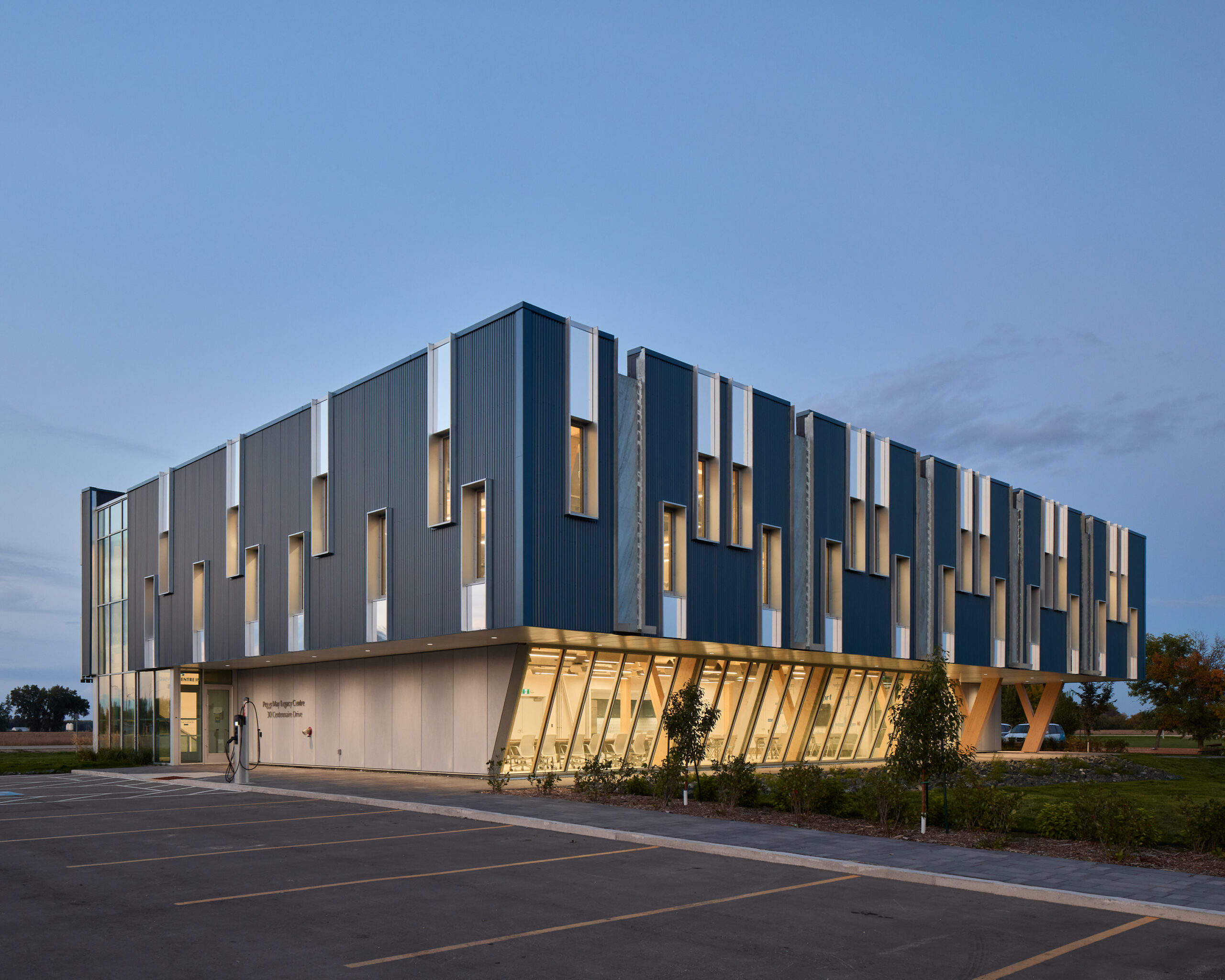
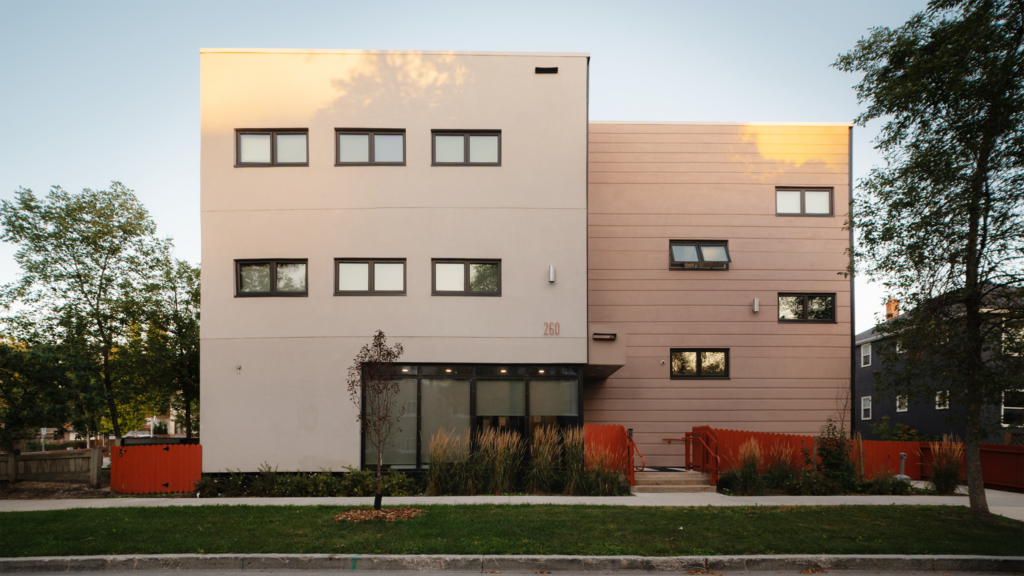
Our team emphasizes climate-responsive design that improves occupant comfort while anticipating future extremes. By optimizing insulation, airtightness, and moisture control through careful detailing, f-BLOK creates envelopes that maintain performance under heatwaves/ smoke exposure, cold snaps, or wind-driven rain. Recent work has included durable cladding systems and airtight assemblies for multi-unit residential and institutional buildings, achieving measurable reductions in energy demand and improved indoor air quality. Each solution is tailored to the building’s use and context, supporting comfort, health, and energy efficiency for occupants of all ages and needs.
Material selection and embodied carbon reduction are central to our approach. We prioritize low-carbon assemblies and efficient structural systems to reduce environmental impact and long-term operational costs. Early collaboration with design teams and contractors can ensure that renewable-ready systems and passive strategies are integrated from the outset. Across all projects, high-performance envelope design becomes a pathway to adaptable, durable, and climate-aligned buildings.
Buildings are already operating outside the climate conditions they were designed for, and this gap will widen. In Canada, average temperatures are projected to rise by roughly 2–4°C by mid-century, with a significant increase in extreme heat days and more intense precipitation events (Government of Canada; Environment and Climate Change Canada). At the same time, cold extremes will persist, increasing freeze–thaw cycling that accelerates material degradation. These shifts directly impact enclosure durability and performance, particularly where assemblies rely on outdated assumptions about moisture, air leakage, and thermal gradients.
The performance implications are measurable. Buildings account for about 18% of Canada’s direct greenhouse gas emissions, rising to over 30% when electricity use is included (Natural Resources Canada). Poor enclosures can increase heating and cooling demand by 25–60%, while improving airtightness from typical existing levels (3–5 ACH@50Pa) to high-performance targets (<1.5 ACH@50Pa) can reduce energy use by 15–30% (Canada Mortgage and Housing Corporation). Without envelope upgrades, electrification often leads to oversized systems, higher peak loads, and increased infrastructure strain, undermining low-carbon objectives.
The case for resilient enclosures is strongest in existing buildings, which will make up over 70% of the 2050 building stock (International Energy Agency). Targeted retrofits can reduce operational energy by 30–50% while extending service life and avoiding the significant embodied carbon and waste associated with demolition—construction and demolition activities account for roughly one-third of total waste in Canada (Statistics Canada). f-BLOK’s approach addresses these realities through envelope-first strategies: high thermal performance, robust moisture control, and verified airtightness, ensuring buildings remain efficient, durable, and functional under projected 2080 climate conditions.

As climate pressures intensify and energy systems evolve, the performance of building enclosures will determine how well we adapt. High-performing, durable, and low-carbon envelopes are essential for extending the life of existing structures and ensuring new buildings meet tomorrow’s environmental and comfort standards. Prioritizing envelope design can significantly reduce operational and embodied carbon, enhance resilience, and protect occupant health and comfort.
Meeting the challenges ahead requires a shift in how buildings are viewed, from static structures to adaptable systems designed to endure and evolve. Integrating resilience, efficiency, and durability at the core of design is both an environmental necessity and an investment in long-term value. The path forward lies in designing envelopes that perform across generations, supporting climate goals and the well-being of the people and communities they serve.