Enabling Accessibility Fund Pan-Canadian Shelter Assessment
location
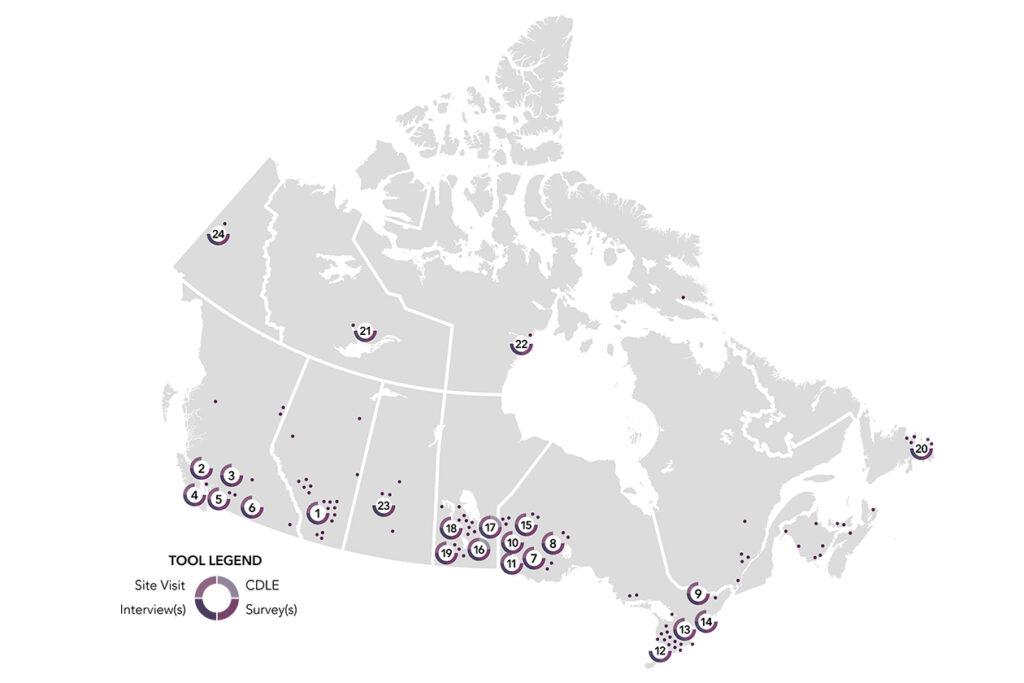
43 locations across canada
size
N/A
year
2022
status
Completed
the people
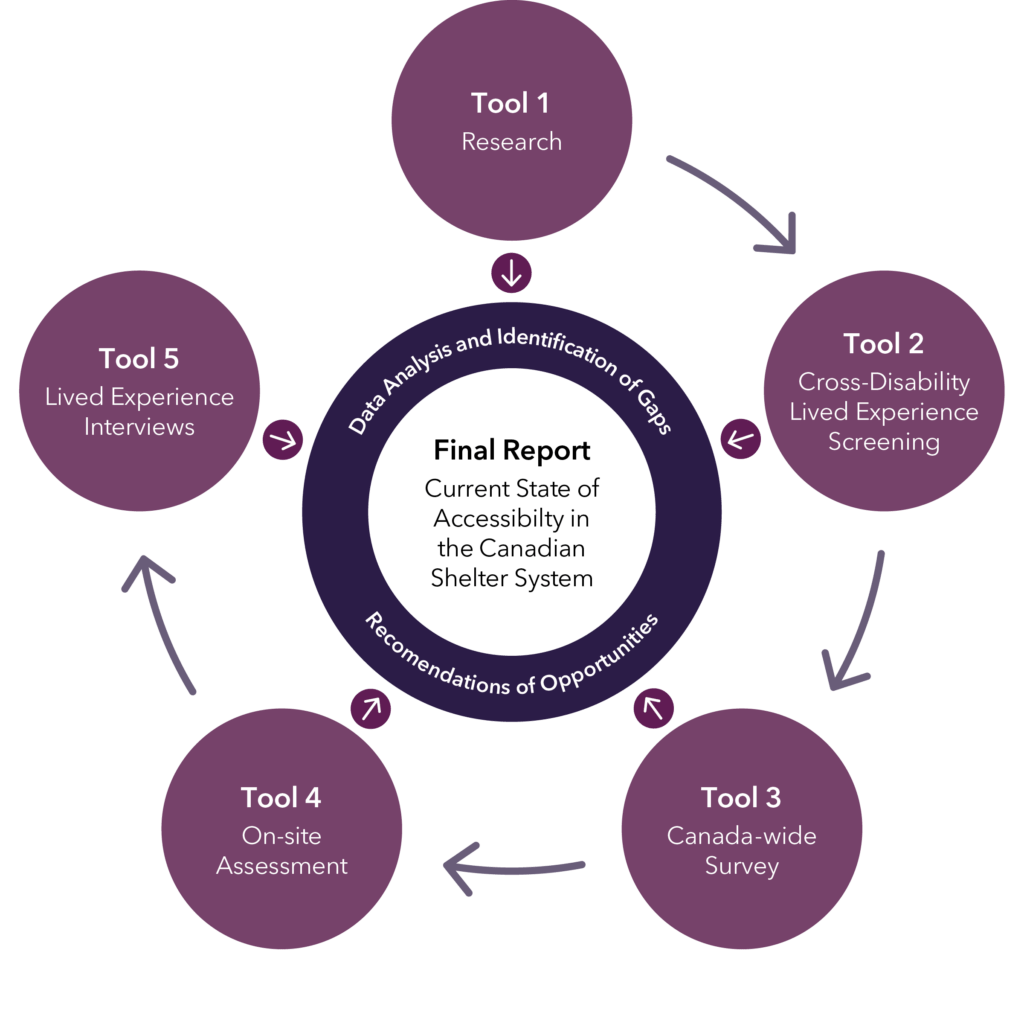
Employment and Social Development Canada (ESDC), through the Enabling Accessibility Fund (EAF), sought to better understand accessibility challenges within shelters serving vulnerable populations across Canada. f-BLOK worked closely with ESDC, shelter operators, and users. This includes families, individuals experiencing homelessness, and survivors of gender-based violence—to ensure the assessment reflected real experiences and diverse needs.
Led by f-BLOK, the project focused on meaningful engagement, combining technical evaluation with direct input from those who rely on these spaces every day. The team developed a tailored methodology to address geographic diversity, varied shelter types, and the complex realities of vulnerable populations. Through site visits, interviews, and collaboration with stakeholders. The process prioritized dignity, safety, and inclusion, ensuring that accessibility was understood not only as a technical requirement, but as a lived experience.
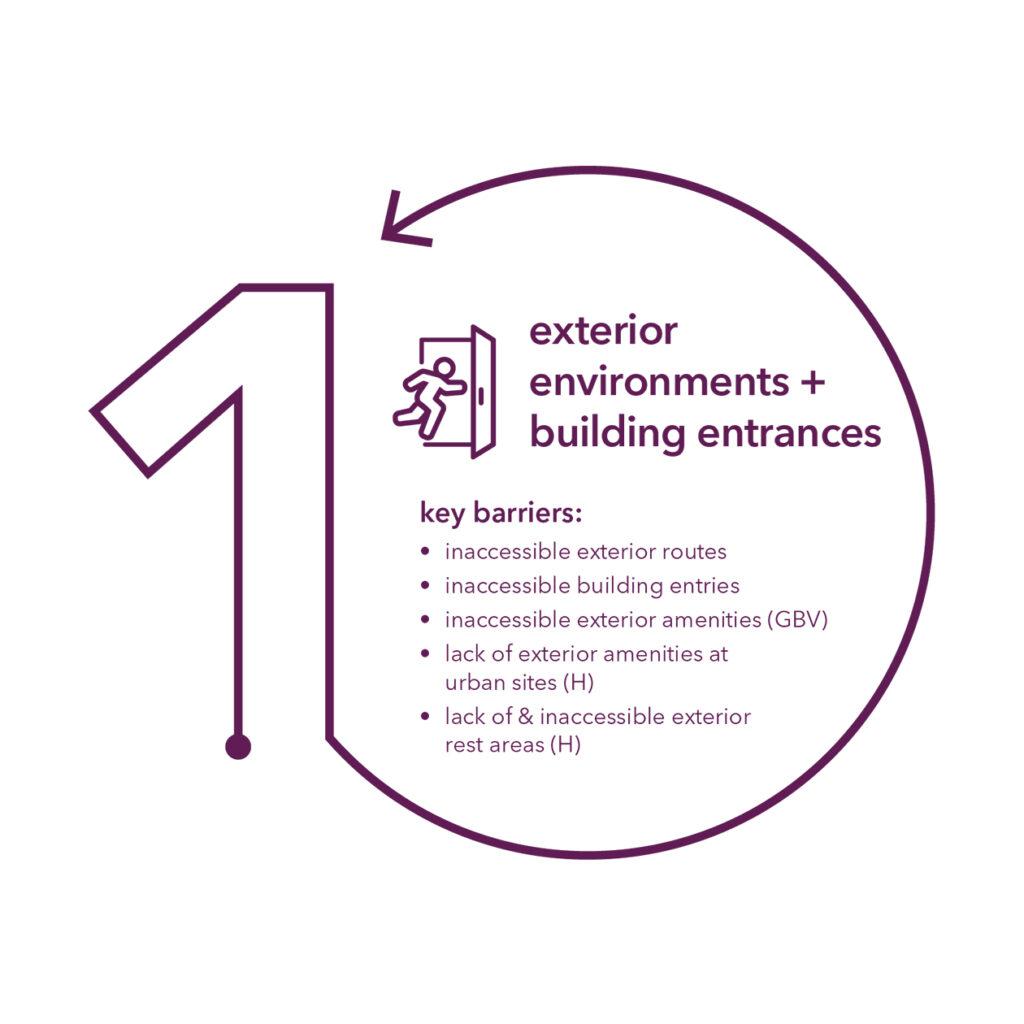
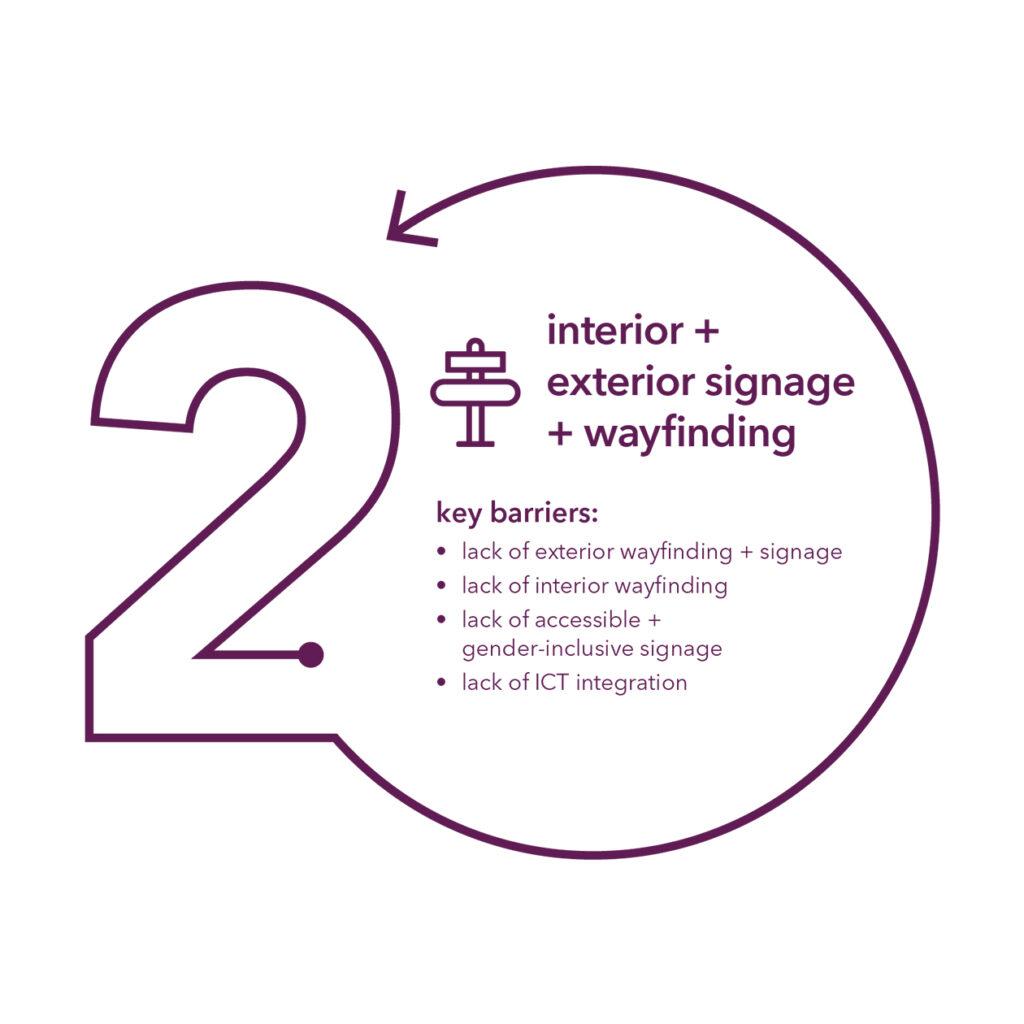
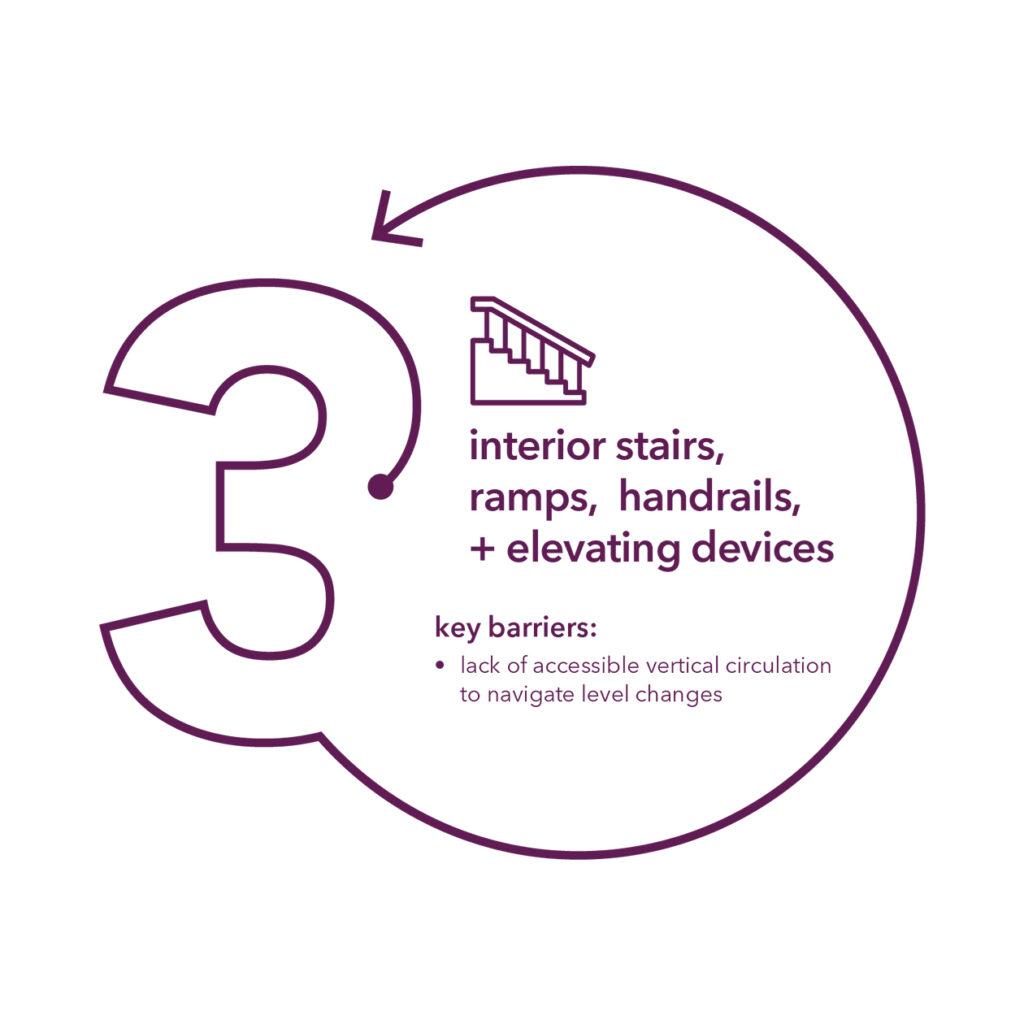
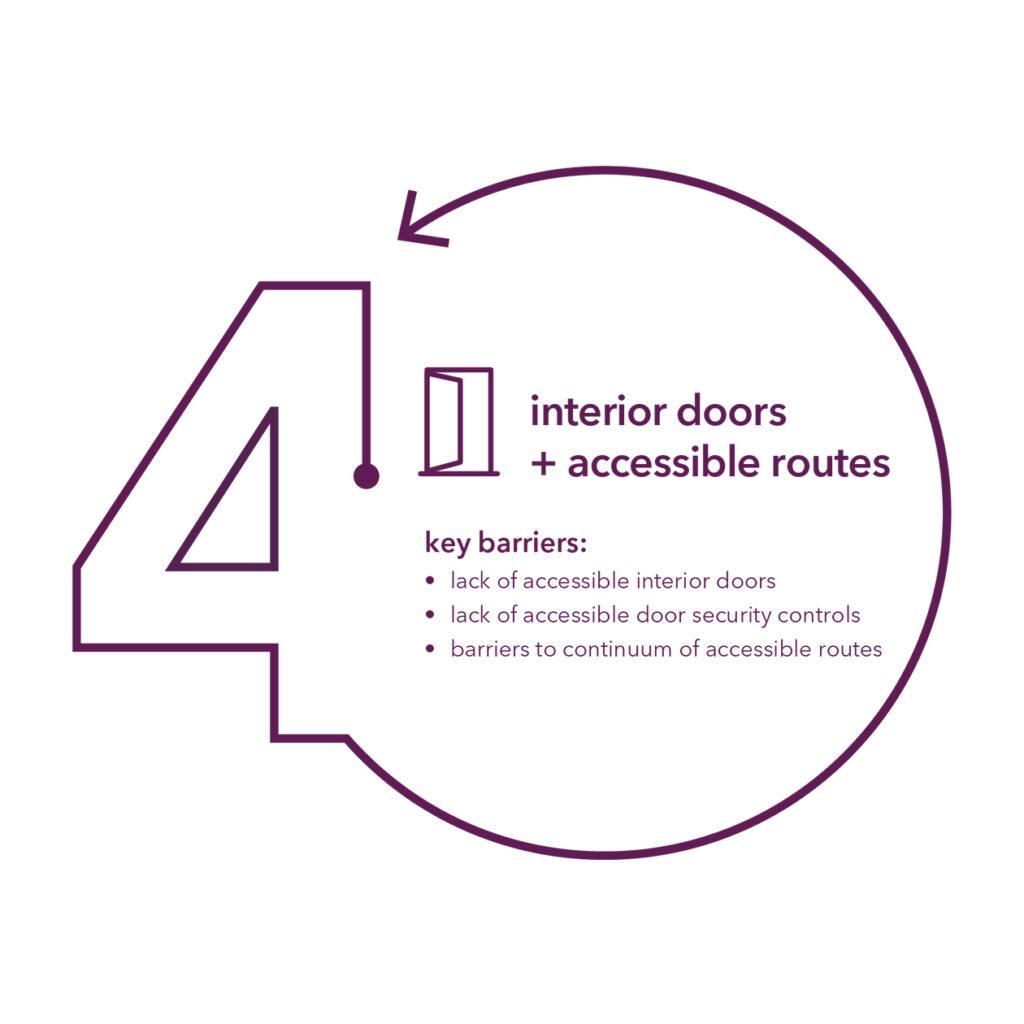
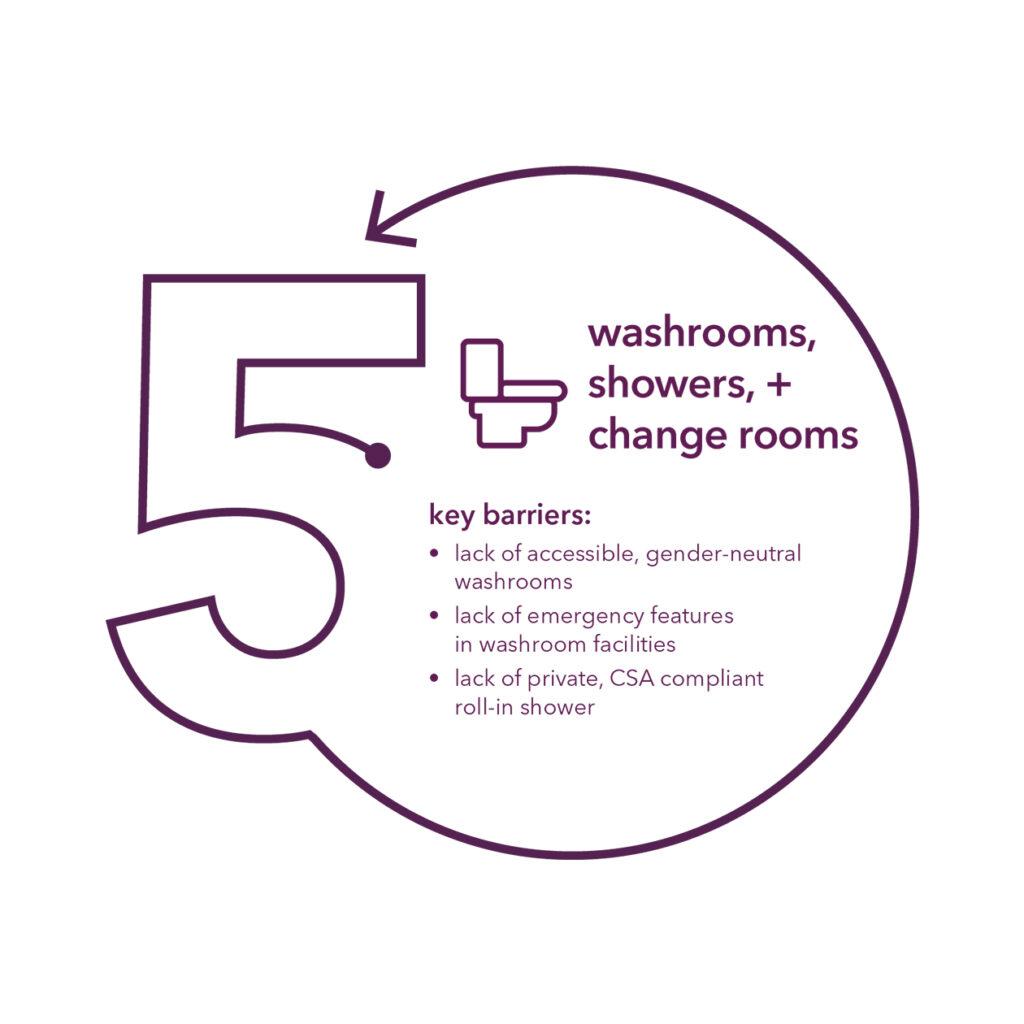
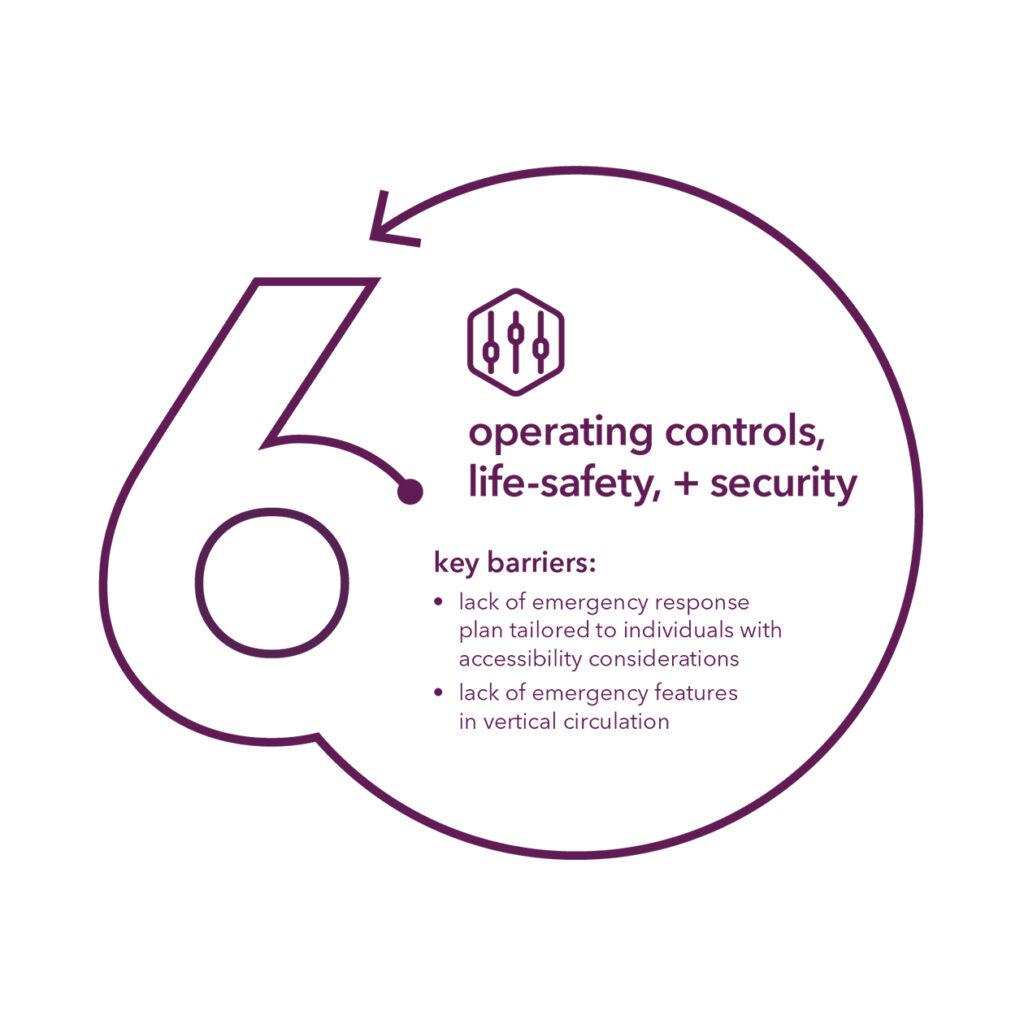
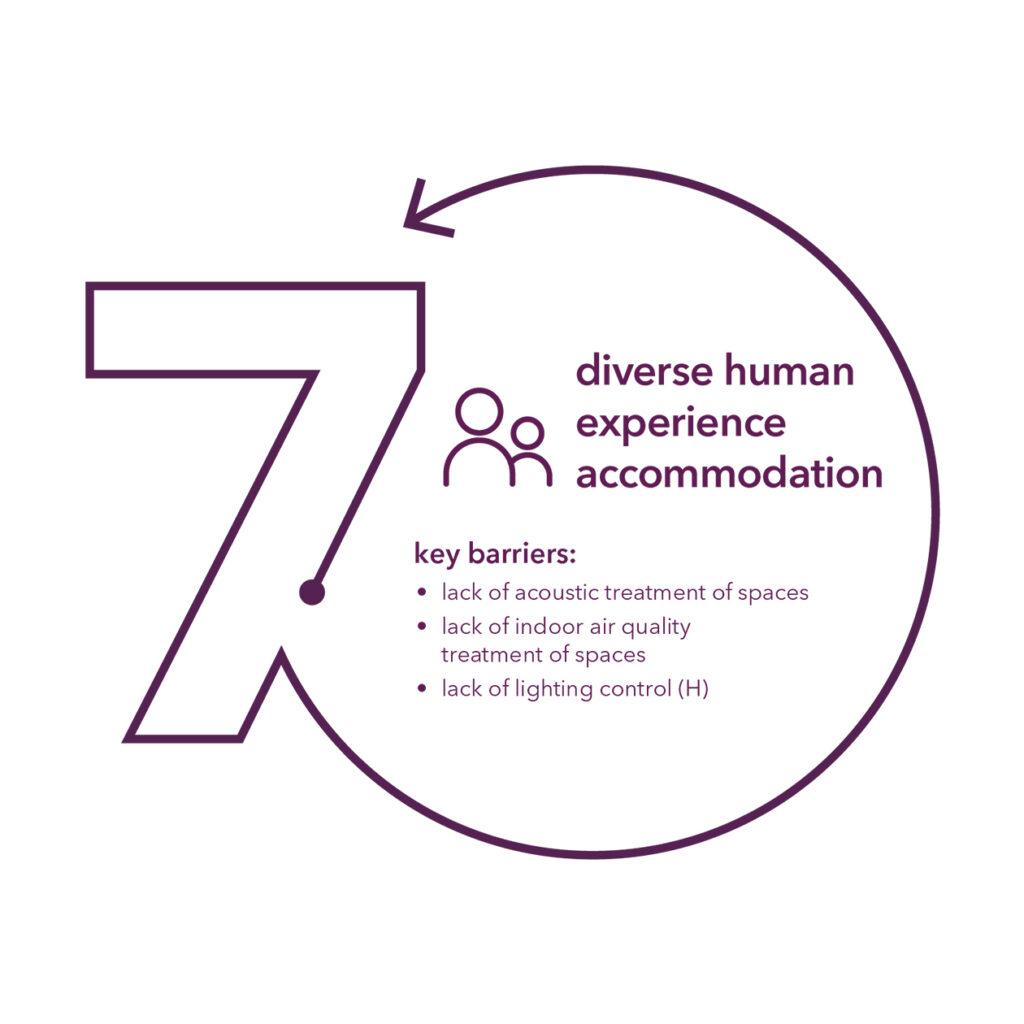
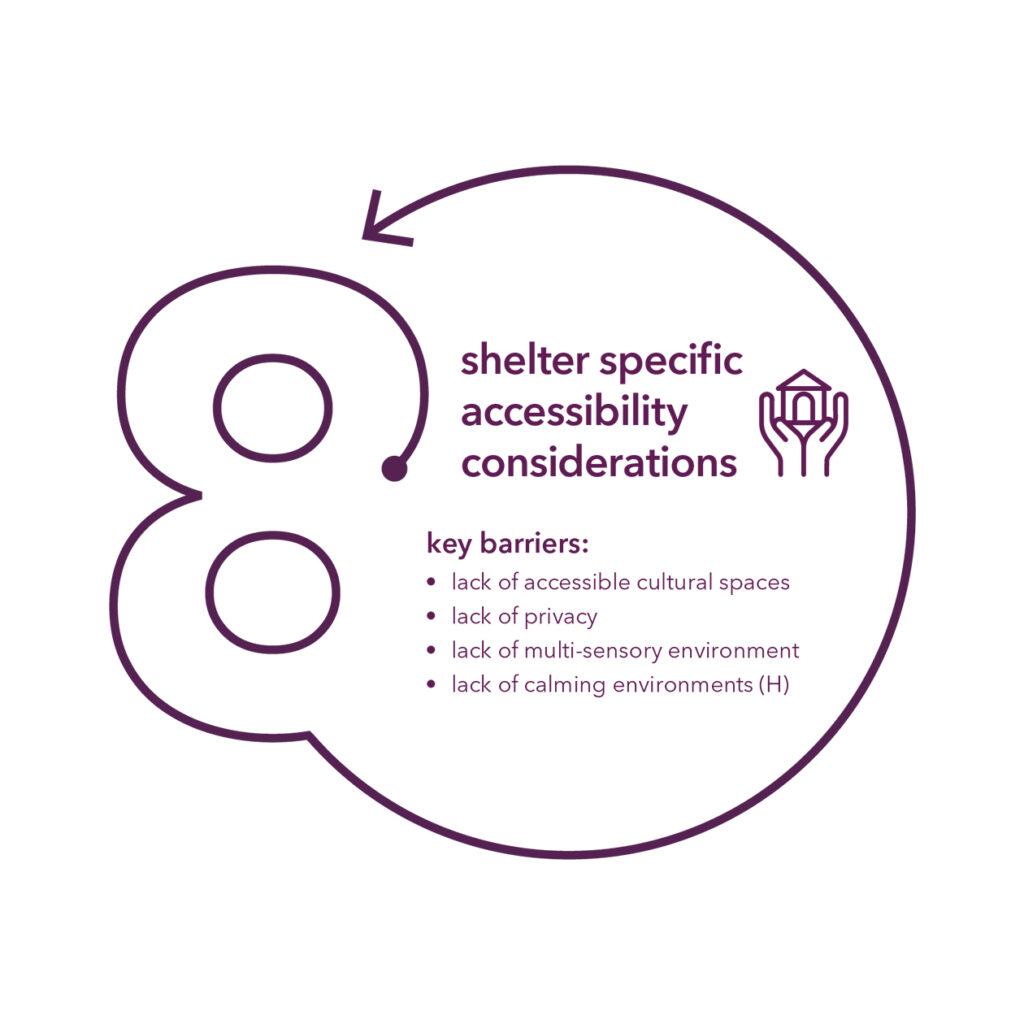
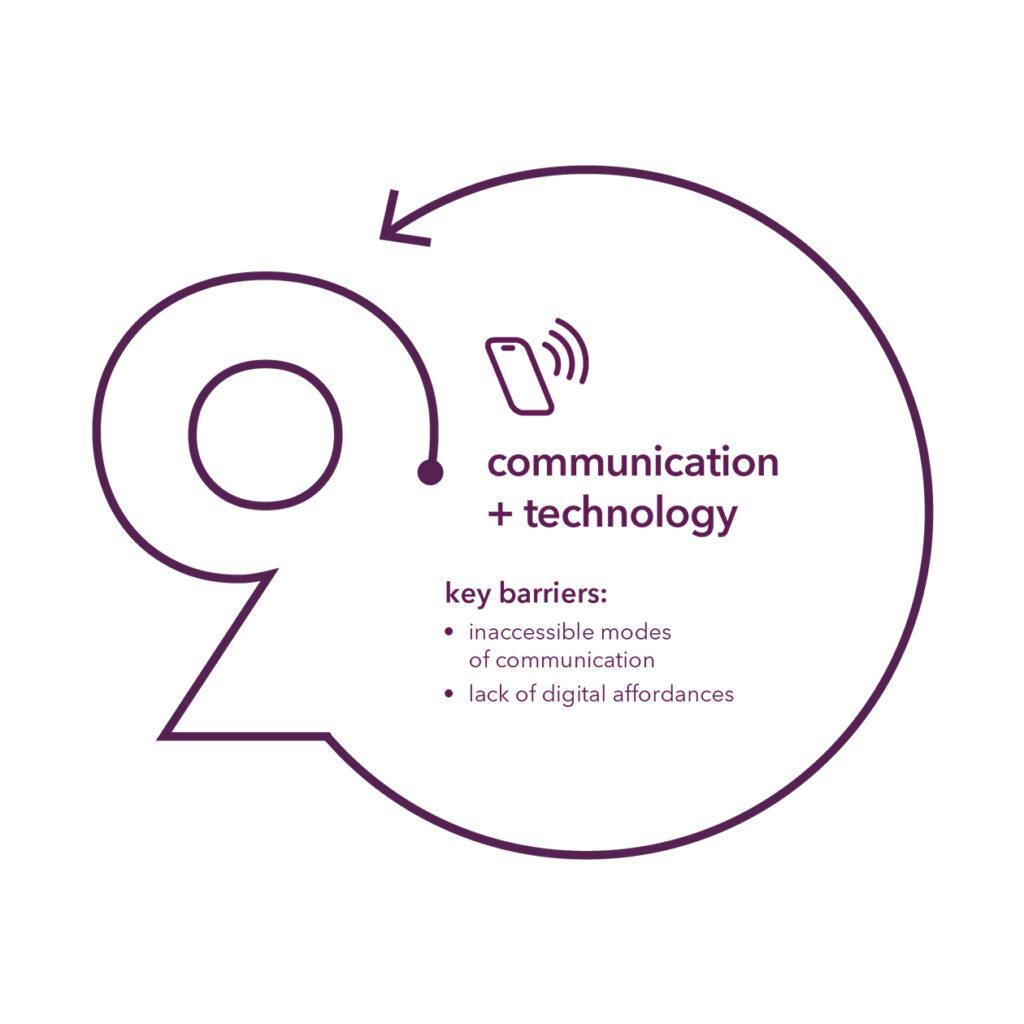
Assessment Categories
Previous
Next
the result
The project delivered a comprehensive, nation-wide assessment of shelter accessibility, evaluating the built environment, information and communication technology (ICT), and mental health accommodations. Through in-person reviews of 19 sites and interviews across an additional 24 locations, the study provided a detailed understanding of current conditions and opportunities for improvement across Canada’s shelter network.
To achieve these outcomes, the assessment emphasized both technical standards and human-centered insights, aligning CSA B651 accessibility guidelines with the broader needs of shelter users and operators.
Key features and outcomes include:
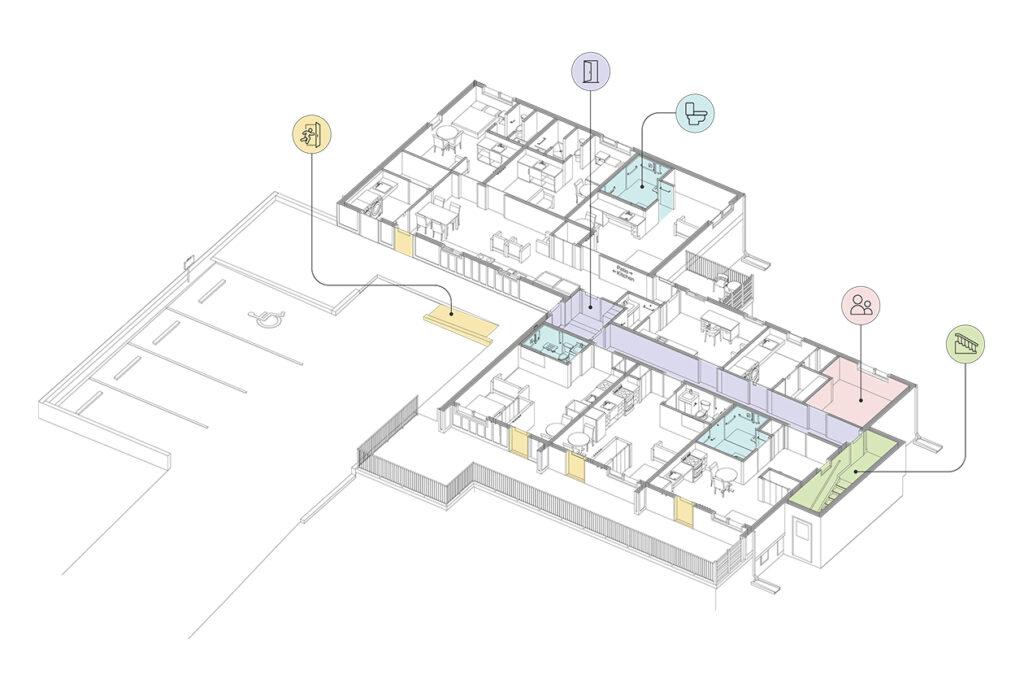
Evaluation of physical accessibility based on CSA B651 standards across diverse shelter types
Assessment of ICT systems to ensure accessible communication and access to services
Consideration of mental health accommodations, recognizing the importance of psychological safety and support
Engagement with shelter users and staff to capture lived experiences and operational realities
Inclusion of shelters serving families, with integrated services such as counselling and employment support
Development of a tailored, scalable assessment methodology applicable across regions
Comprehensive reporting to inform policy, funding decisions, and future accessibility initiatives
The result is a data-driven, human-centered framework that supports improved accessibility across Canada’s shelter system. By informing ESDC’s funding strategies and highlighting the full spectrum of user needs, the project contributes to more inclusive, supportive environments for individuals and families experiencing housing insecurity.
f-BLOK acknowledges that we are located on Treaty One lands, the original territories of the Anishinaabeg, Cree, Anisininew, Dakota and Dene Peoples, and the National Homeland of the Red River Métis.