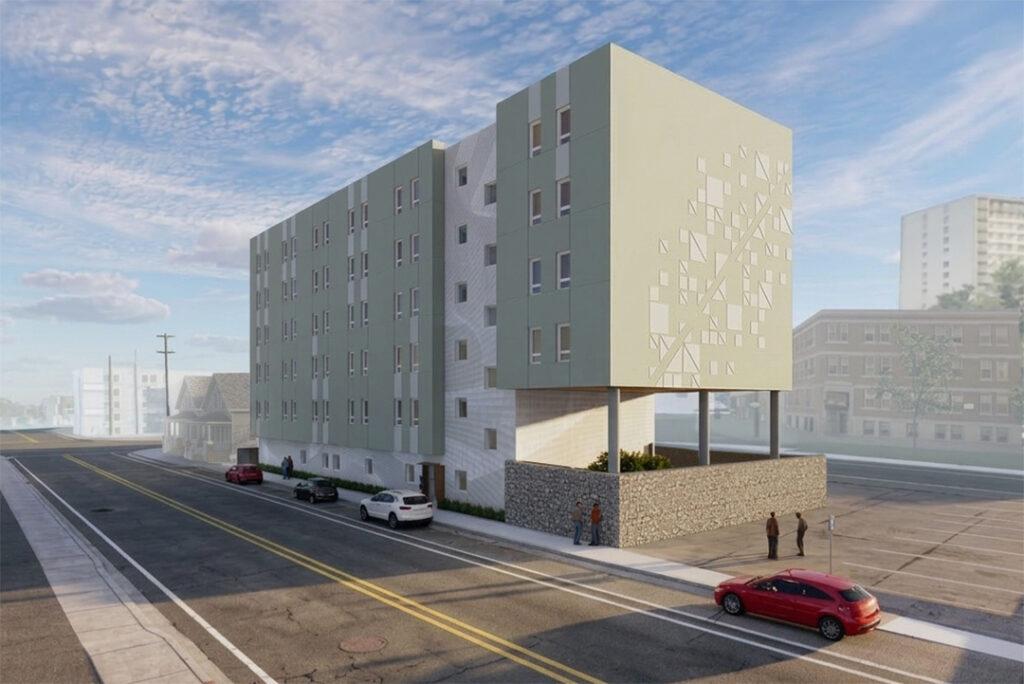
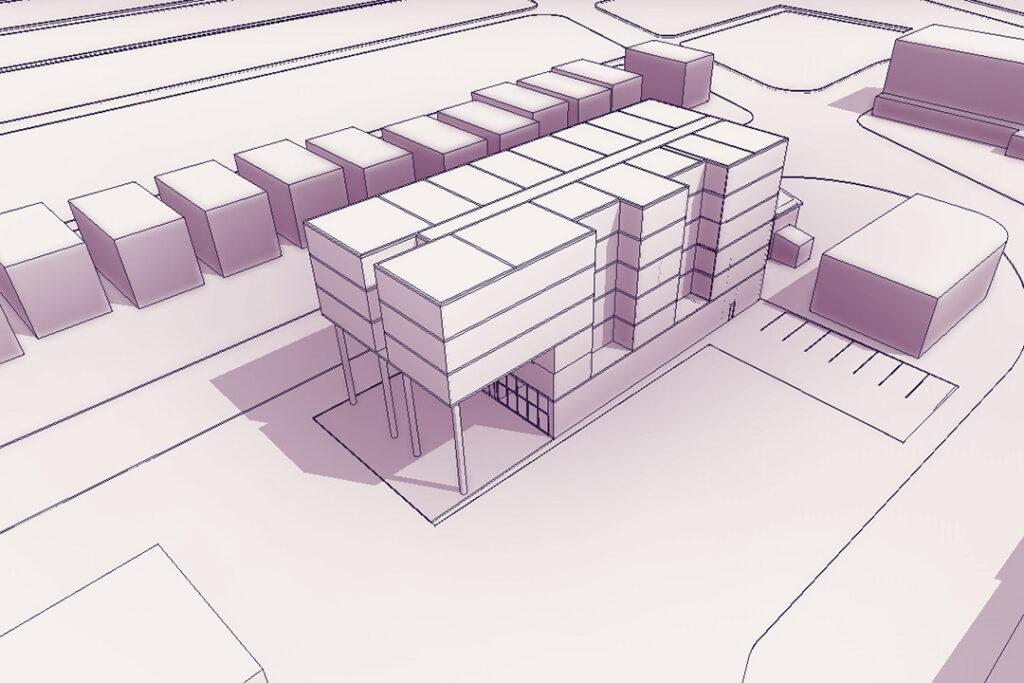
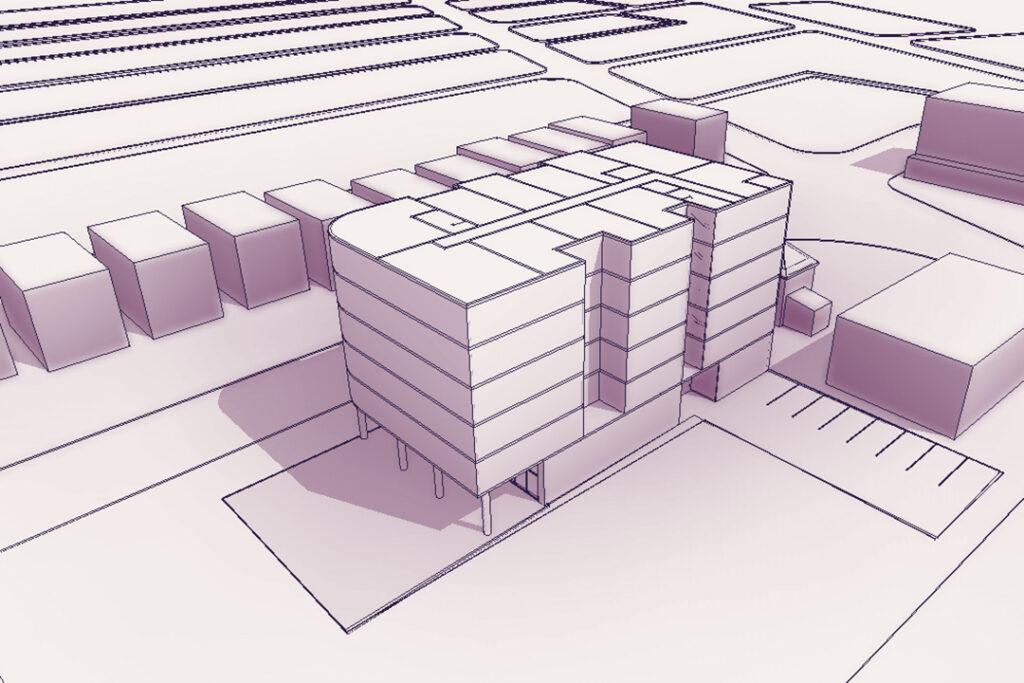
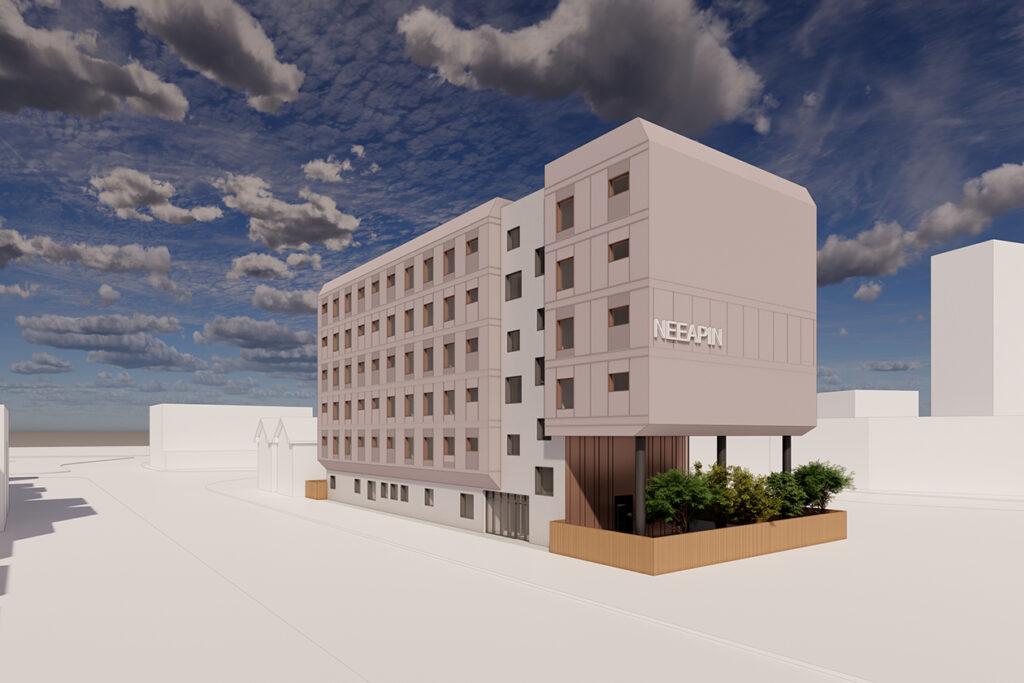
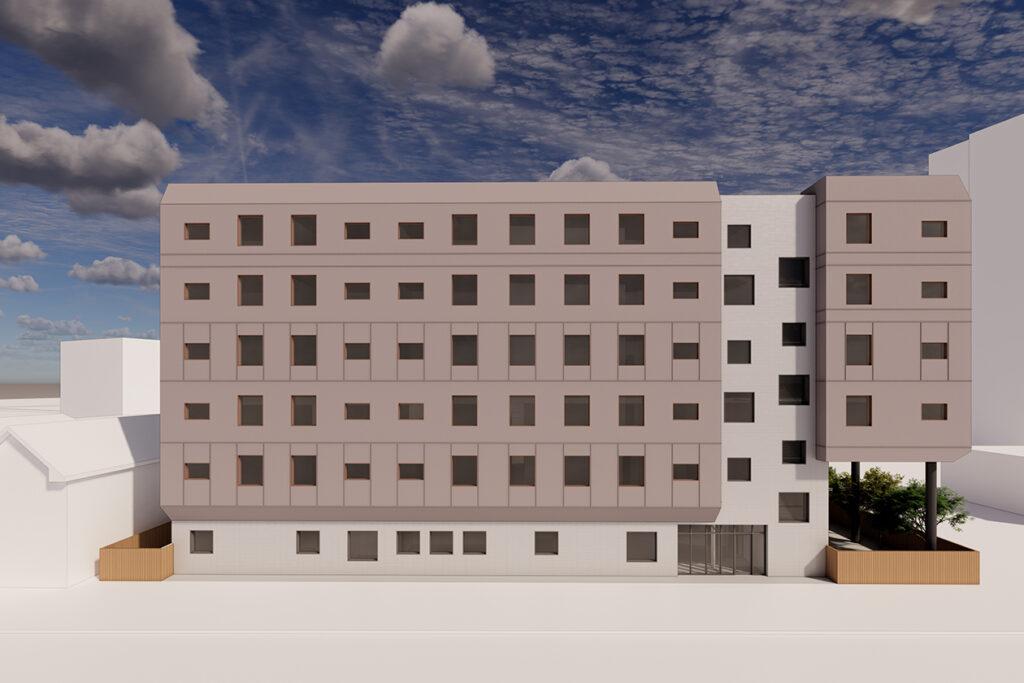
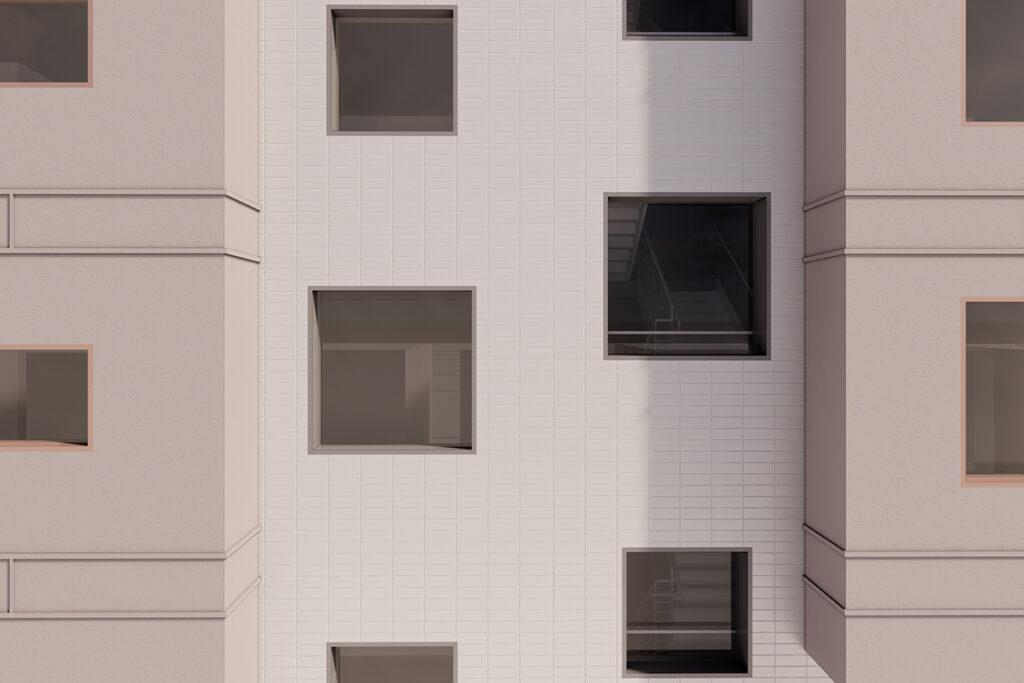
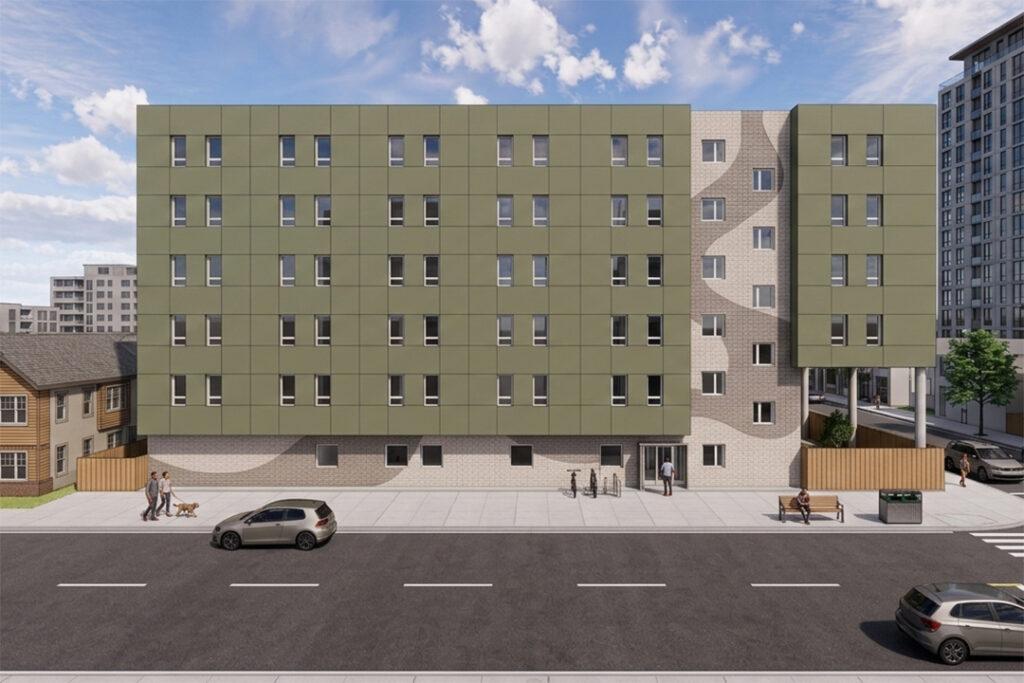
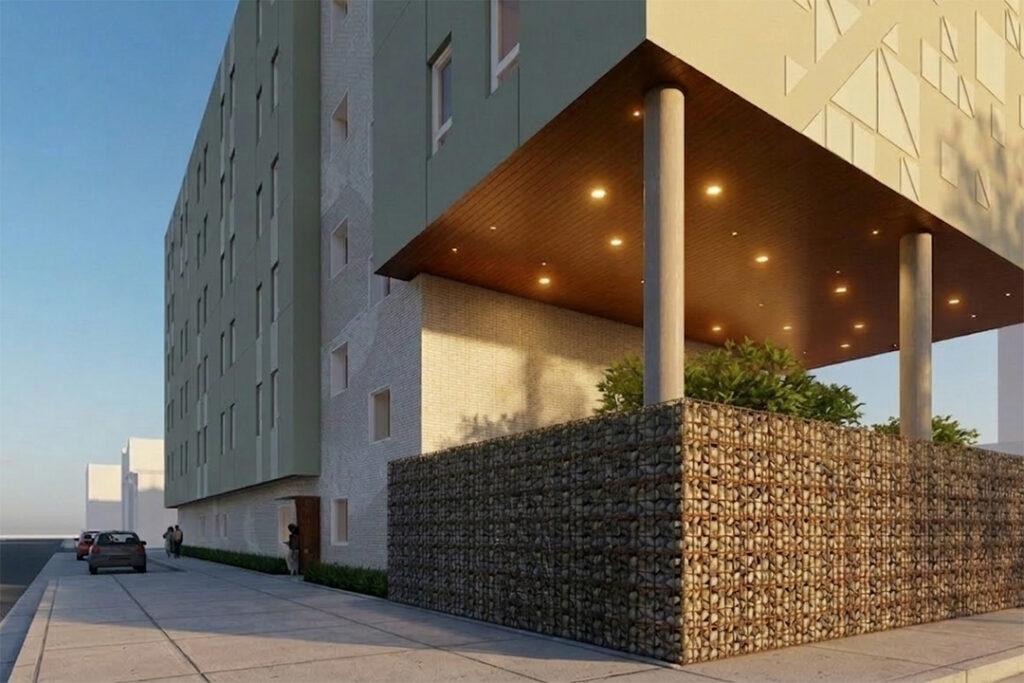
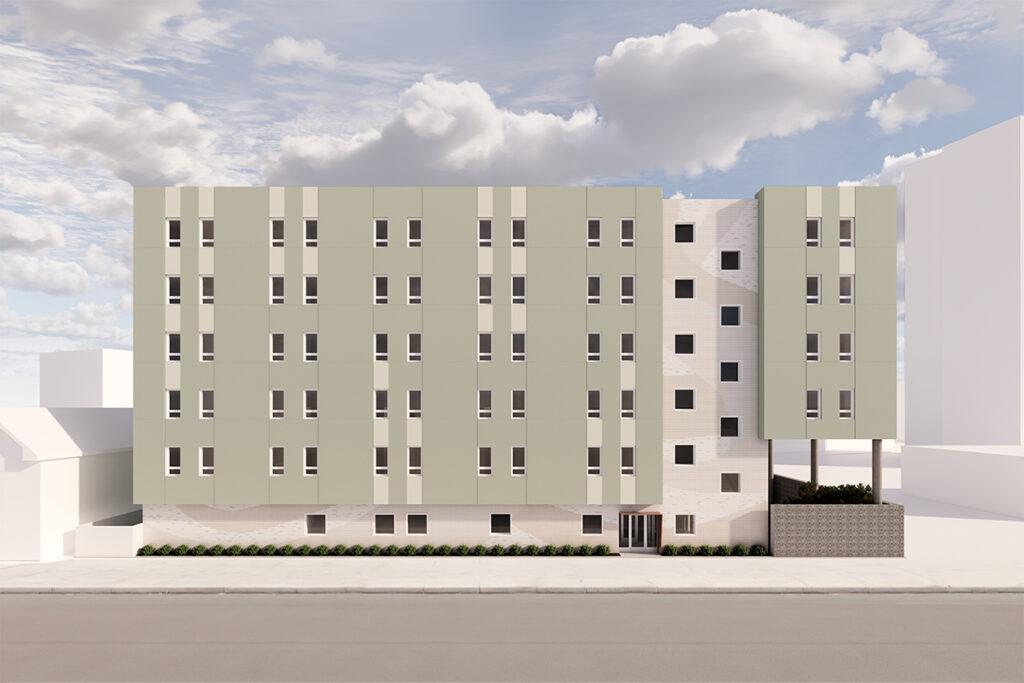
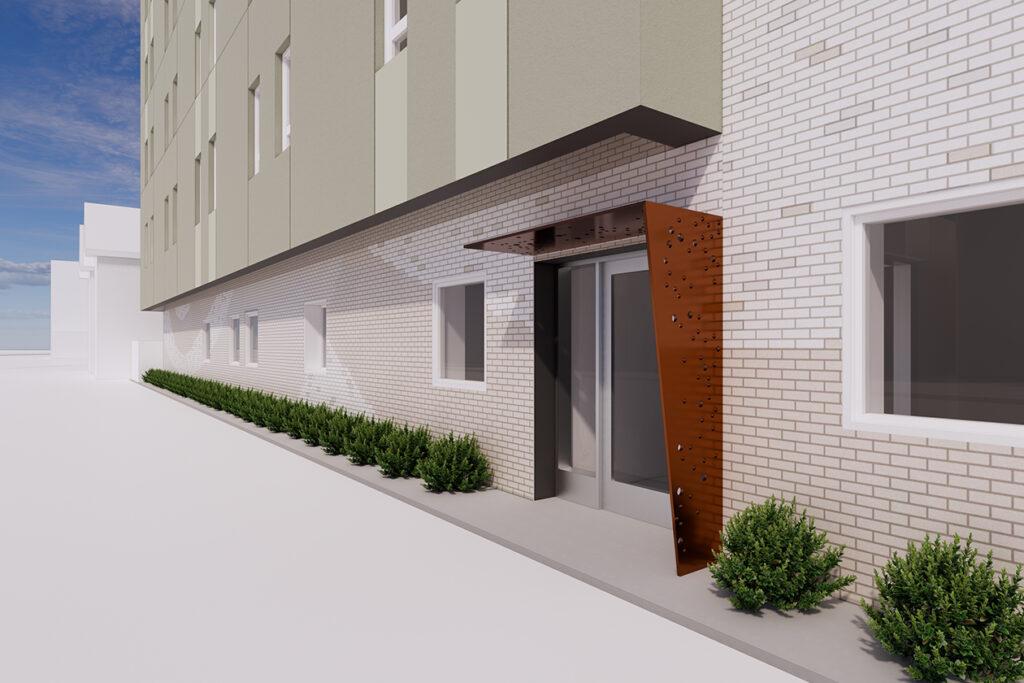
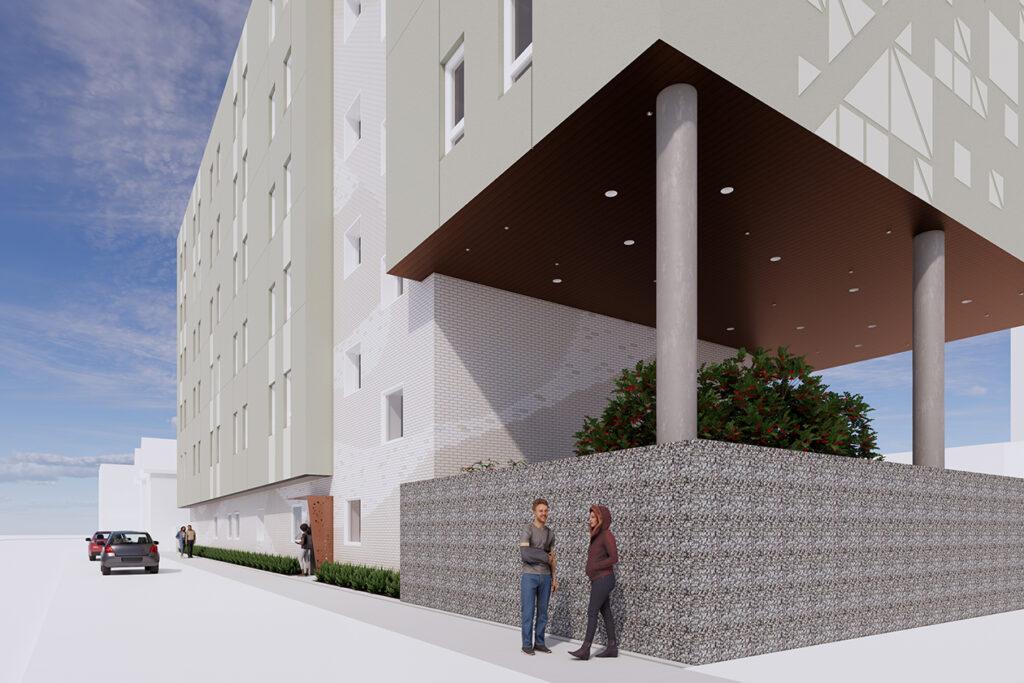
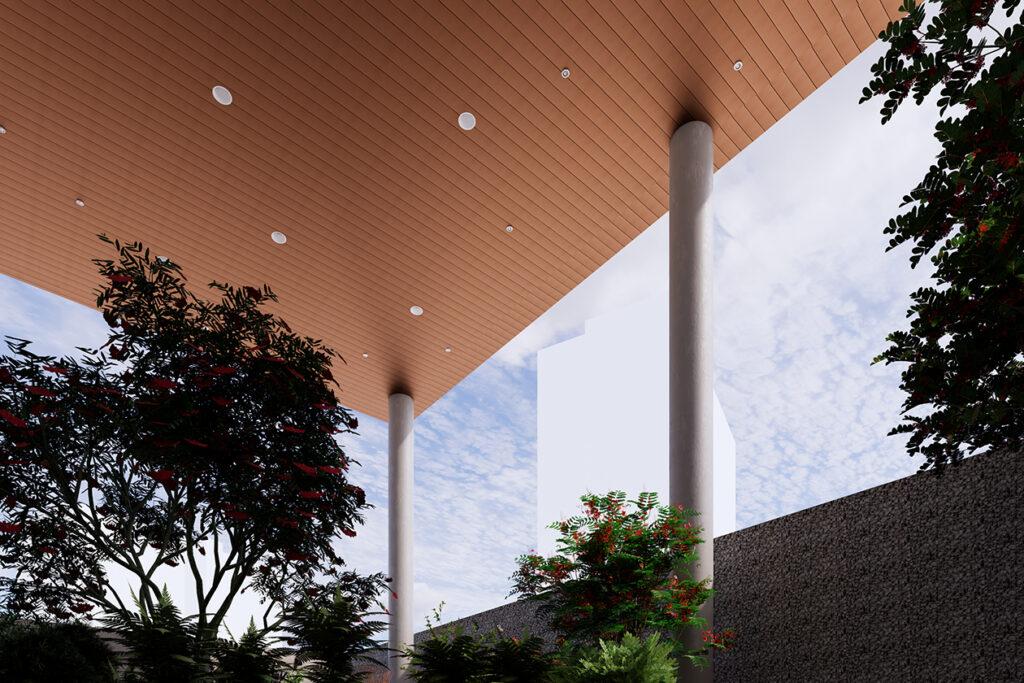
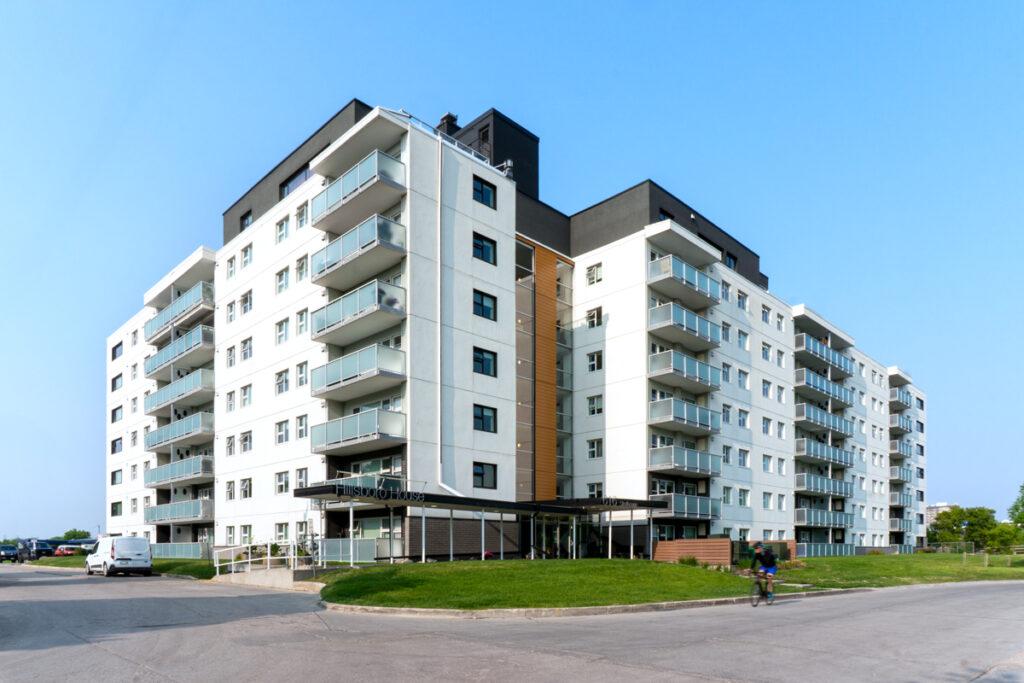
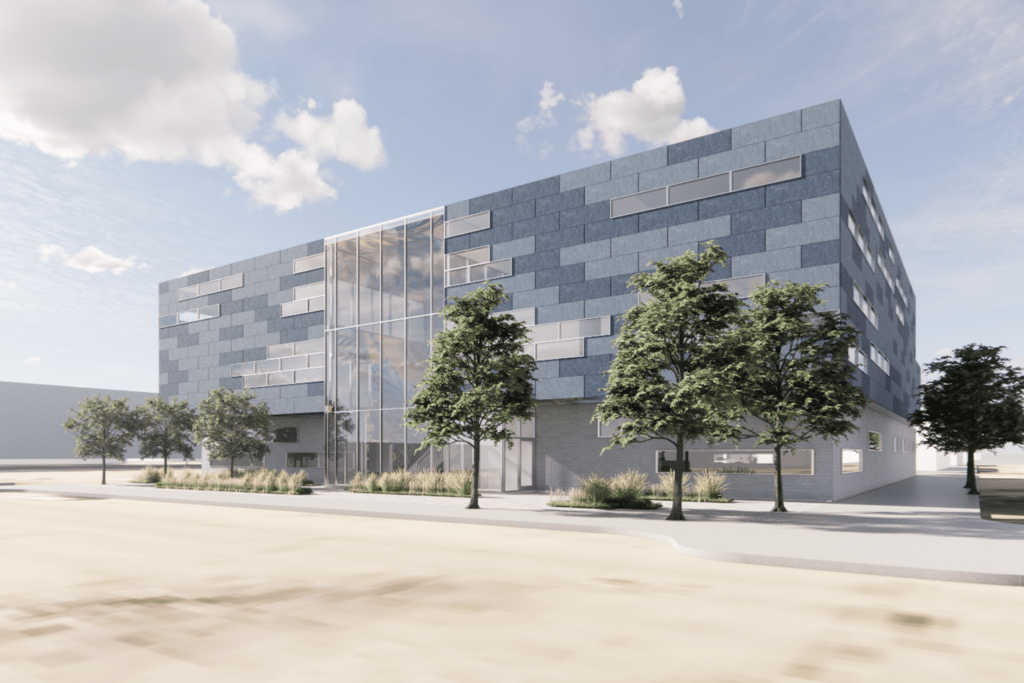
The proposed six-storey, 54-unit supportive housing development at 575 Balmoral is designed to provide safe, inclusive, and culturally grounded housing for First Nation youth aging out of care. Replacing the former Centre Village site, the new building addresses long-standing safety and functionality challenges while creating a high-performance residential environment that supports healing, independence, and community.
To achieve these objectives, the design emphasizes trauma-informed planning, accessibility, operational support, and spaces that foster connection and wellbeing.
Key features and program elements include:
54 supportive housing units, including one- and two-bedroom suites designed for youth transitioning to independent living
Barrier-free units and accessible design features supporting inclusivity and long-term usability
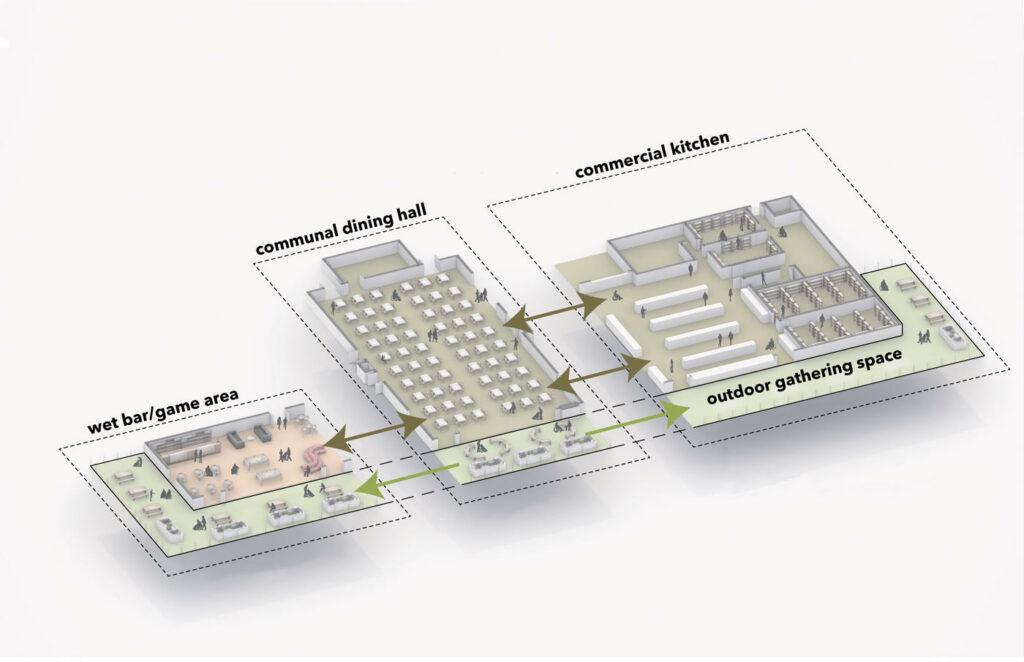
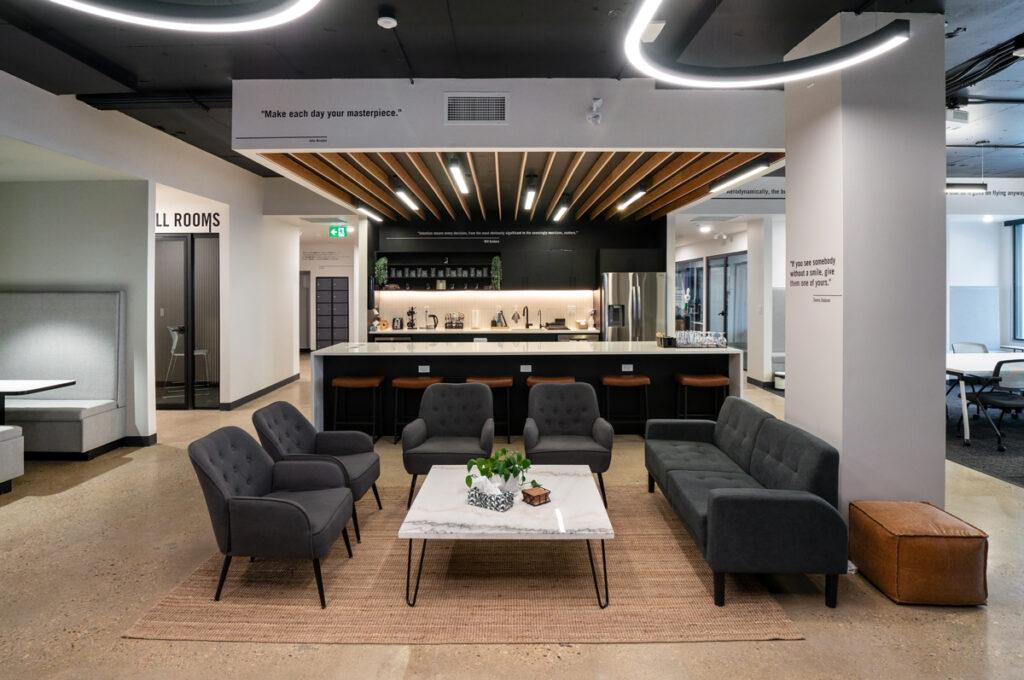
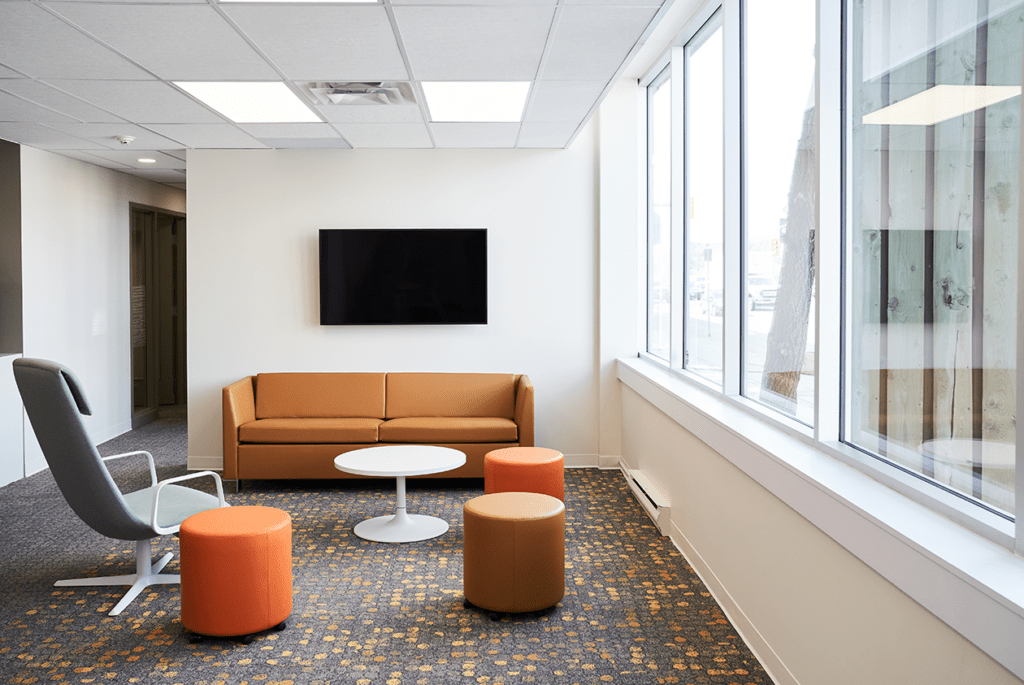
Shared spaces designed to support community, cultural programming, and social connection
Dedicated areas to accommodate 24/7 on-site wrap-around support services
Trauma-informed, non-institutional design strategies that prioritize dignity, safety, and comfort
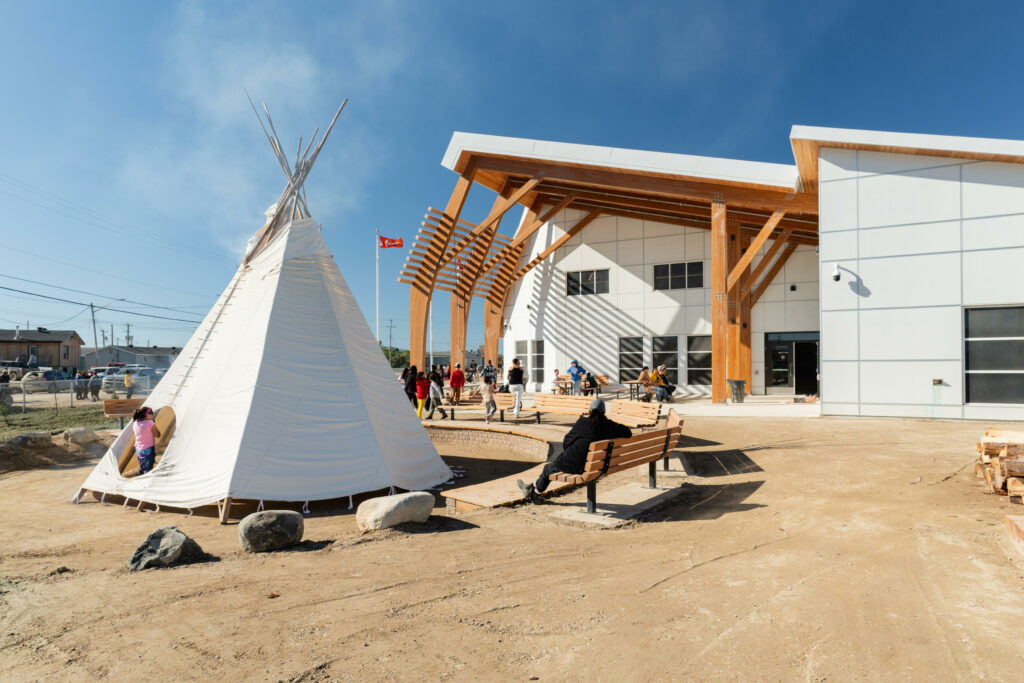
Design elements that promote cultural visibility and support Indigenous identity and belonging
Energy-efficient building systems and sustainable design strategies supporting long-term performance
Site redevelopment that replaces outdated infrastructure with a purpose-built supportive housing model
The result is a future-focused supportive housing project that responds to urgent community needs while creating a stable foundation for youth to grow and thrive. By integrating housing, support services, and culturally grounded design, the project aims to establish a lasting model for inclusive and empowering youth housing in Winnipeg.